Fast Track Your OSHA Bloodborne Pathogens Training: Online Certification with CPR Works Charlotte

Fast Track Your Workplace Safety: An Introduction to Bloodborne Pathogens Training
Ensuring a safe and healthy environment is paramount for any workplace, particularly where exposure to infectious materials is a risk. OSHA Bloodborne Pathogens Training provides essential knowledge and skills to protect employees from serious or life-threatening illnesses caused by bloodborne pathogens (BBPs) such as Hepatitis B (HBV), Hepatitis C (HCV), and Human Immunodeficiency Virus (HIV). These microorganisms, found in blood and other potentially infectious materials (OPIM), can spread disease rapidly. This training is not just a recommendation; it’s a critical federal requirement mandated by OSHA’s Bloodborne Pathogens Standard (29 CFR 1910.1030), emphasizing a “better-safe-than-sorry” approach by treating all human blood and OPIM as if they are already infected.
Safeguarding Your Environment: Why OSHA Bloodborne Pathogens Training is Critical
The importance of comprehensive OSHA Bloodborne Pathogens Training cannot be overstated. Beyond legal compliance, it is a proactive measure that significantly reduces the risk of occupational exposure and safeguards employee health. According to the Occupational Safety and Health Administration (OSHA), employers must implement an exposure control plan to eliminate or minimize hazards. This plan details crucial protection measures including engineering controls, work practice controls, personal protective equipment (PPE), employee training, and medical surveillance. A key insight often overlooked is the sheer financial burden of occupational exposures; beyond the human toll, needlestick injuries alone can cost healthcare systems hundreds of millions annually due to testing, prophylaxis, and lost productivity. Effective training and consistent adherence to safety protocols are the most convincing evidence for credibility in maintaining a truly safe workplace.
Key reasons why this training is critical:
- Legal Mandate: The OSHA Bloodborne Pathogens Standard (29 CFR 1910.1030) legally requires employers to provide this training to employees at risk of exposure.
- Disease Prevention: It educates employees on how pathogens are spread, how to prevent exposure, and what steps to take if contact occurs, significantly reducing the transmission of serious diseases like HBV, HCV, and HIV.
- Exposure Control: Training covers critical components of an exposure control plan, including:
- Proper use and disposal of sharps in designated containers.
- Implementation of Universal Precautions, treating all blood and OPIM as infectious.
- Correct selection, use, and disposal of Personal Protective Equipment (PPE) such as gloves, masks, gowns, and eye protection.
- Effective hand hygiene practices.
- Emergency Response: Employees learn immediate post-exposure procedures, including first aid, reporting protocols, and seeking prompt medical attention for evaluation and follow-up care.
- Reduces Costs: By preventing incidents, businesses can avoid significant costs associated with post-exposure evaluation, treatment, and potential legal liabilities.
Experience Convenience: Online OSHA Bloodborne Pathogens Training with CPR Works Charlotte
In today’s fast-paced world, convenience and flexibility are crucial for workforce development. CPR Works Charlotte understands these needs and offers comprehensive online OSHA Bloodborne Pathogens Training. This unique angle for a definitive guide highlights how our blended learning options provide the same high-quality, AHA-certified training as traditional classroom settings, but with the added benefit of self-paced online modules. This is particularly beneficial for businesses and individuals seeking to streamline their certification process without compromising on essential safety education. Our online courses are designed to be accessible anytime, anywhere, allowing employees to learn at their own pace.
Here’s how our online training works for individuals and groups:
- Purchase the “Online Course with Skills Check off” through our website.
- Receive immediate email access to your online course via the AHA website.
- Complete the online course at your convenience, pausing and resuming as needed.
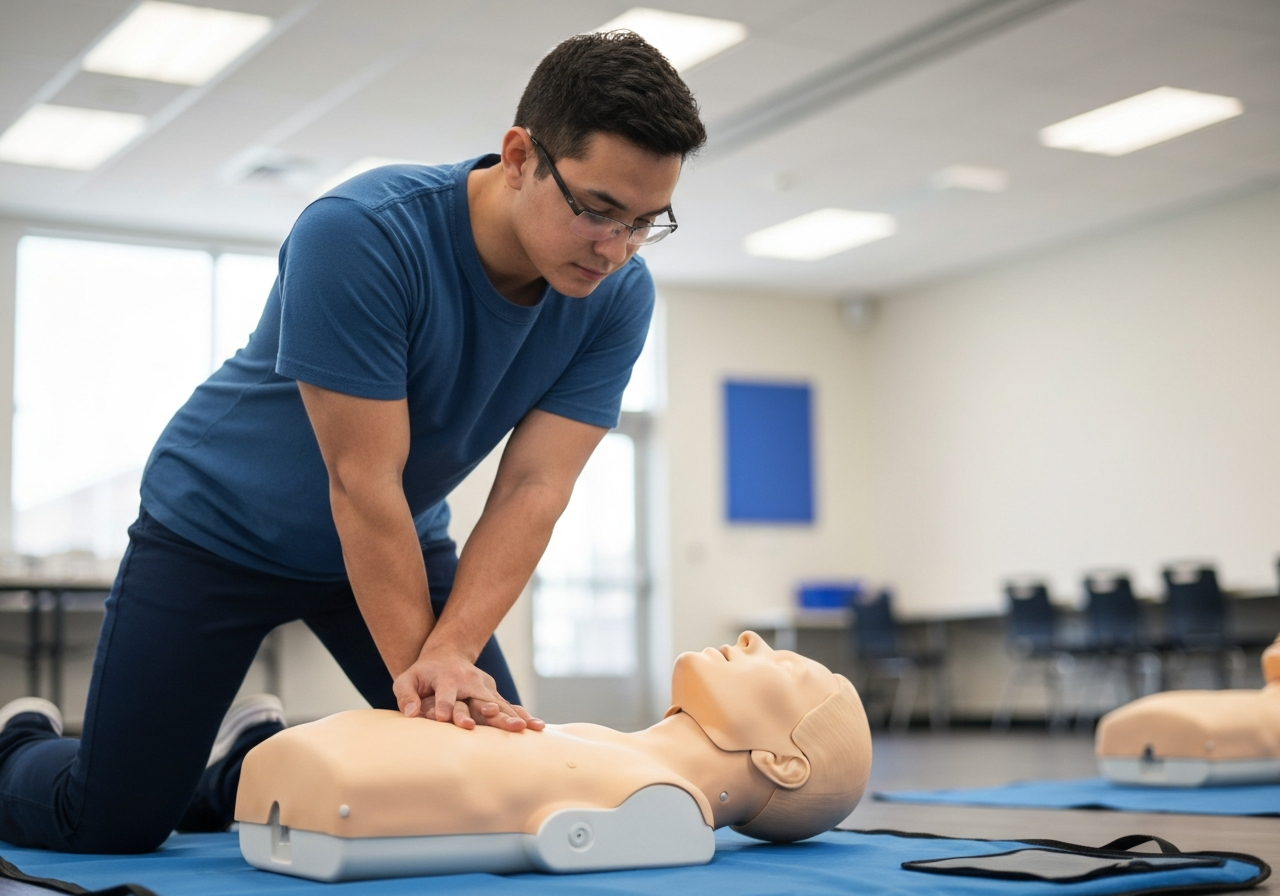
- Upon completion, print your certificate and bring it to a scheduled skills check-off session. We even offer flexible drop-in days for skills verification.
- Receive the same official AHA certification card as a traditional classroom participant.
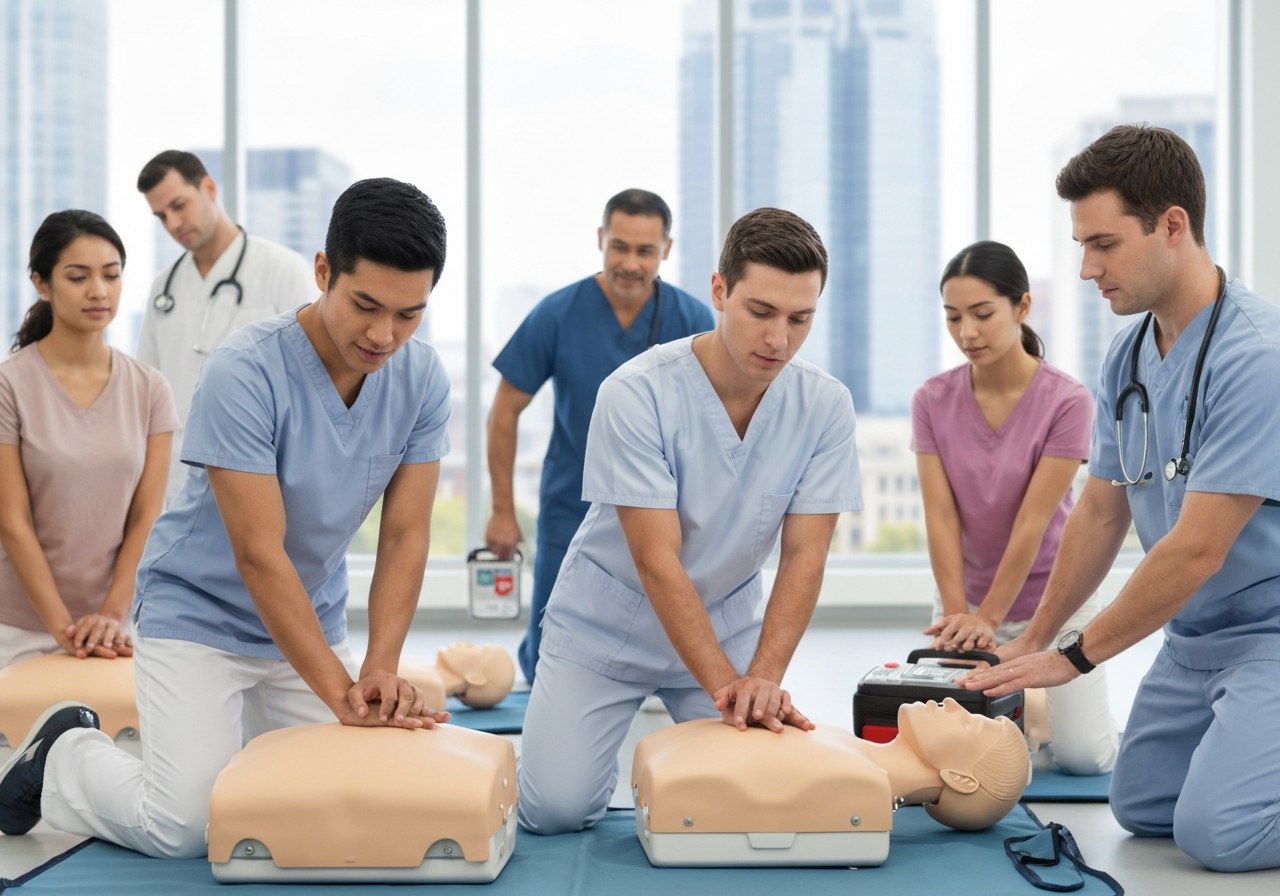
For corporate groups, blended learning options overcome logistical challenges such as reaching remote employees and accommodating diverse learning styles. Once all employees complete the online component, CPR Works Charlotte dispatches a certified instructor to your location for a practice session and skills check-off, ensuring every team member receives the full, hands-on experience required for certification.
Comprehensive Curriculum: What You’ll Learn in Your Online Course
Our online OSHA Bloodborne Pathogens Training courses cover all the essential topics mandated by federal regulations, ensuring participants are fully prepared to identify, prevent, and respond to exposures. The curriculum is meticulously structured to provide in-depth information in an easy-to-understand format.
Key topics include:
- Epidemiology and Clinical Manifestations: Understanding what bloodborne pathogens are, how they affect the human body, and their modes of transmission.
- Exposure Control Plan (ECP): A detailed explanation of the employer’s written plan, including how to access it and its role in minimizing risk. This plan is updated annually and tailored to specific workplace hazards.
- Universal and Standard Precautions: Emphasizing the critical approach of treating all human blood and OPIM as potentially infectious.
- Engineering and Work Practice Controls: Learning about devices and procedures that reduce exposure, such as sharps disposal containers, needleless systems, and proper waste handling.
- Personal Protective Equipment (PPE): Comprehensive instruction on the types of PPE (gloves, masks, gowns, eye protection), their correct use, limitations, and proper disposal.
- Hepatitis B Vaccination: Information regarding the hepatitis B vaccine, its availability, and post-vaccination follow-up procedures. Employers are required to offer this vaccine at no cost to at-risk employees.
- Decontamination and Housekeeping: Best practices for cleaning and disinfecting contaminated surfaces and equipment, including proper waste segregation and disposal.
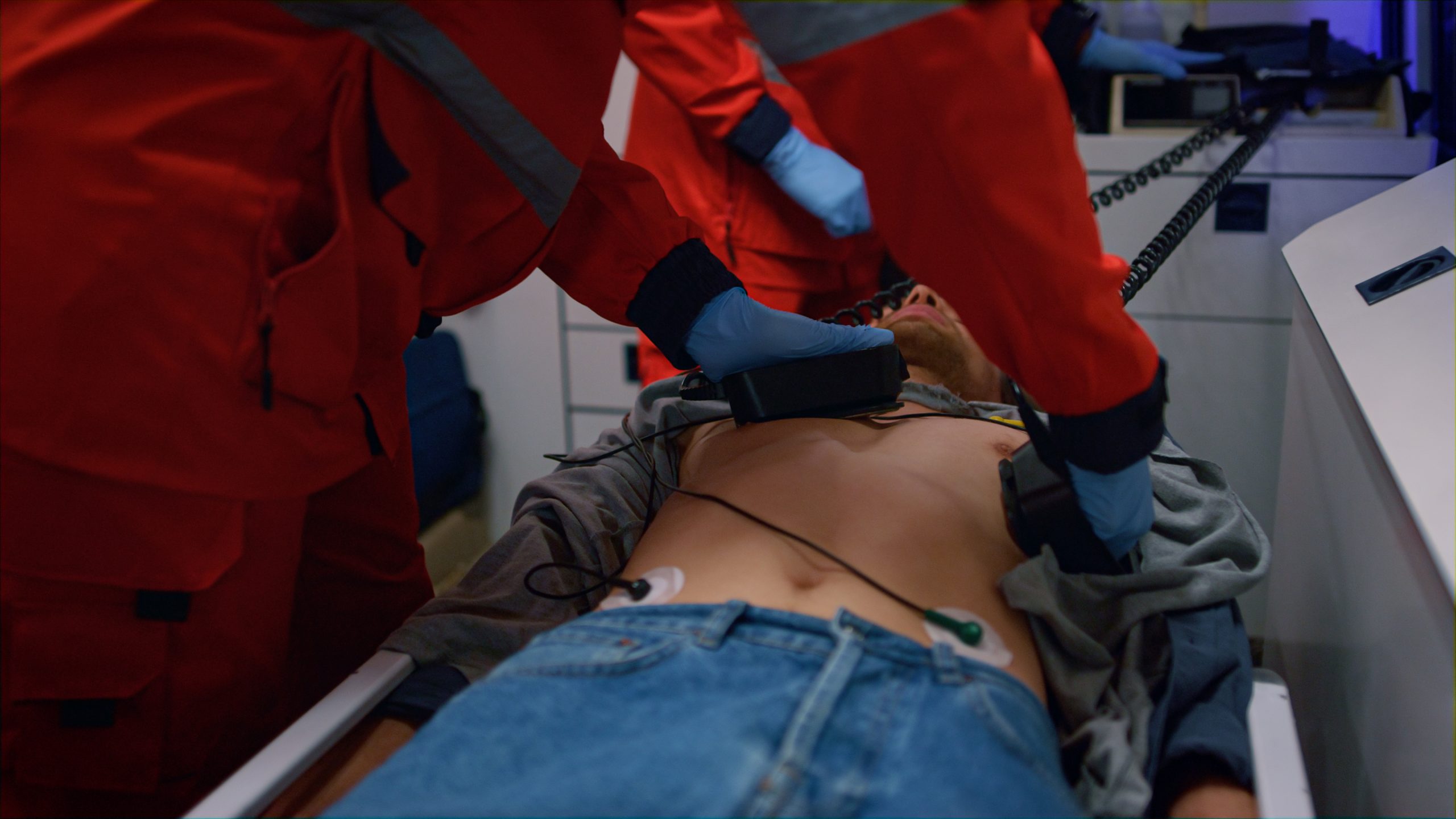
- Emergency Response and Post-Exposure Protocols: Detailed steps to take immediately following an exposure incident, including first aid, reporting procedures, medical evaluation, and post-exposure prophylaxis (PEP) when necessary.
- Hazard Communication: Understanding labels, signs, and color-coding used to identify potential hazards in the workplace.
Training materials are always accessible, and participants have the opportunity to ask questions, ensuring a thorough understanding of the subject matter. This aligns with OSHA’s requirement that training be presented at an appropriate educational level.
Who Needs This Vital Training? Protecting Diverse Industries and Teams
OSHA Bloodborne Pathogens Training is essential for a wide array of professionals and industries where individuals may encounter blood or other potentially infectious materials as part of their job duties. This crucial training extends far beyond traditional healthcare settings, encompassing numerous sectors committed to workplace safety and regulatory compliance.
Individuals and teams in the following professions and industries typically require this training:
- Healthcare Workers: Physicians, nurses, medical assistants, phlebotomists, dental professionals, emergency medical technicians (EMTs), paramedics, and laboratory personnel.
- First Responders: Firefighters, police officers, and other emergency personnel who may come into contact with blood or bodily fluids at accident scenes or during interventions.
- Education Professionals: Teachers, school nurses, and daycare providers, particularly those handling first aid or bodily fluid clean-up.
- Public Safety & Correctional Facilities: Law enforcement, security guards, and corrections officers who might be exposed during incidents.
- Tattoo and Piercing Artists: Professionals who work directly with needles and bodily fluids.
- Janitorial and Maintenance Staff: Workers responsible for cleaning and maintaining facilities, especially those in healthcare or areas where blood/OPIM may be present.
- Mortuary and Funeral Home Staff: Individuals who handle deceased individuals and associated bodily fluids.
- Fitness and Sports Industry: Coaches, athletic trainers, and gym staff who may need to administer first aid for injuries involving bleeding.
- Construction Workers: Due to potential for on-site injuries and exposure.
- Corporate and Office Environments: Any workplace where designated first aid providers may encounter blood or bodily fluids.
As clarified by OSHA interpretations, annual retraining is mandatory for all employees with potential exposure, regardless of prior, more stringent training they may have received. This ensures continuous preparedness and adherence to evolving safety standards.
Beyond Compliance: The Benefits of Certification for Your Business and Employees
Achieving OSHA Bloodborne Pathogens Training certification extends far beyond simply meeting regulatory requirements. For businesses and their employees, it represents a profound investment in a safer, more confident, and ultimately more productive workplace. The benefits accrue on multiple levels, fostering an environment where safety is a shared priority.
Key benefits of certification:
- Enhanced Employee Safety and Confidence: Employees trained in bloodborne pathogen prevention are better equipped to protect themselves and their colleagues. This knowledge instills confidence, reducing anxiety related to potential exposures and empowering them to act decisively in an emergency.
- Reduced Risk of Infection and Illness: By adhering to universal precautions and proper control measures, the likelihood of transmitting bloodborne diseases is significantly minimized, protecting both employees and clients.
- Legal Protection and Reduced Liability: OSHA compliance helps businesses avoid costly fines, penalties, and potential lawsuits arising from exposure incidents. Documented training demonstrates a commitment to employee well-being and regulatory adherence.
- Improved Incident Response: Certified individuals know the immediate steps to take following an exposure, ensuring prompt first aid, reporting, and medical follow-up, which are critical for minimizing health risks.
- Positive Workplace Culture: Prioritizing safety through comprehensive training fosters a culture of care and professionalism. Employees feel valued and protected, contributing to higher morale and retention.
- Operational Efficiency: Fewer exposure incidents mean less downtime for investigations, medical evaluations, and staff turnover, leading to more efficient operations.
- Demonstrated Commitment to Public Health: For businesses in healthcare, education, or public service, certification highlights a dedication to broader public health and safety standards, enhancing reputation and trust within the community.
The real-world lesson here is that while initial training is vital, consistent annual retraining, as emphasized by OSHA guidelines, solidifies these skills and ensures that safety protocols remain top-of-mind. This continuous reinforcement is crucial for maintaining an effective exposure control plan.
Ready to Get Certified? Enroll in Your Training Today
Investing in OSHA Bloodborne Pathogens Training is a proactive step toward creating a safer workplace and empowering your team with critical life-saving knowledge. CPR Works Charlotte offers flexible, comprehensive, and American Heart Association-certified programs designed to meet the diverse needs of businesses and individuals across the Charlotte, Gastonia, and Fort Mill areas. Our online blended learning options provide the convenience of self-paced study combined with essential hands-on skills verification, ensuring a complete and effective learning experience. Whether you require individual certification or on-site group training for your organization, our expert instructors are ready to guide you through the process. Take the initiative to enhance workplace safety, ensure compliance, and boost the confidence of your employees by securing your OSHA Bloodborne Pathogens certification today.
Ready to enhance your workplace safety and ensure compliance? Visit our Contact Us page to learn more about our OSHA Bloodborne Pathogens Training programs.