Education Design & Development
Good healthcare education should do more than check a box.
Start the Conversation
CPR Works develops practical, evidence-based education for healthcare organizations that want their staff to understand what they are doing, why it matters and how to do it correctly.
Programs can be developed for hospitals, clinics, universities, nursing programs, long-term care, home health and other organizations.
Practical Education for Real-World Care
Education can be developed around the skills and knowledge healthcare professionals use every day, including:
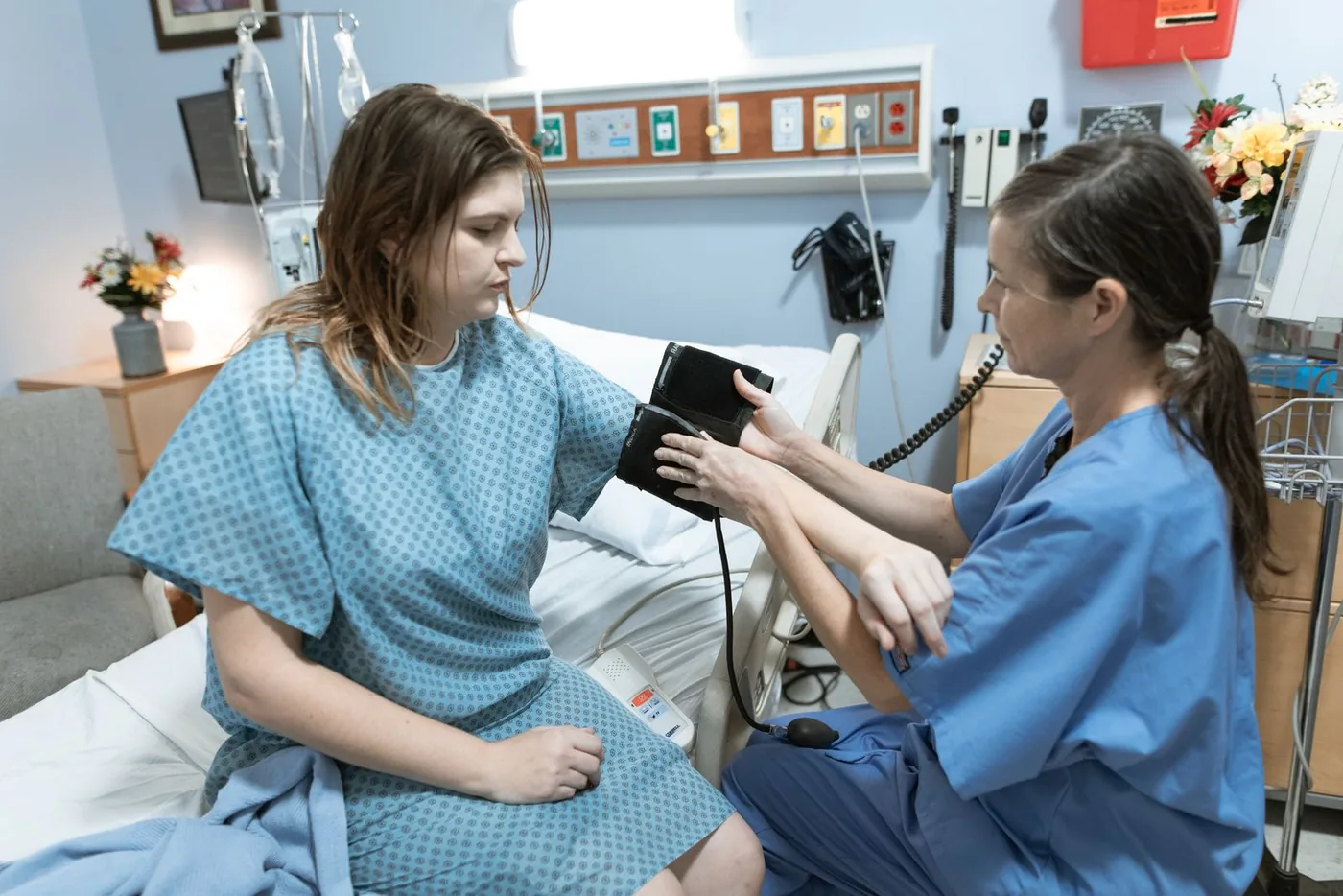
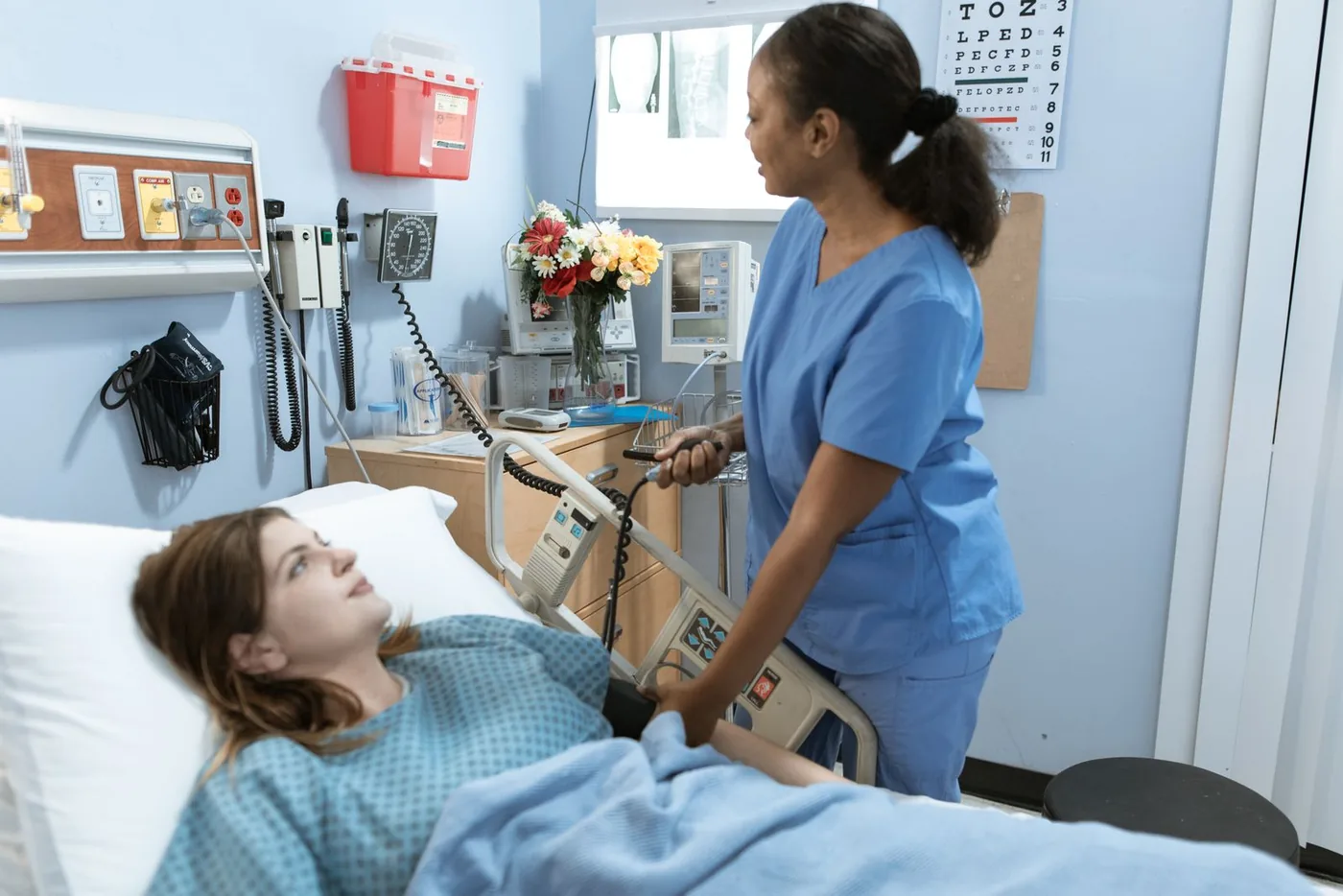
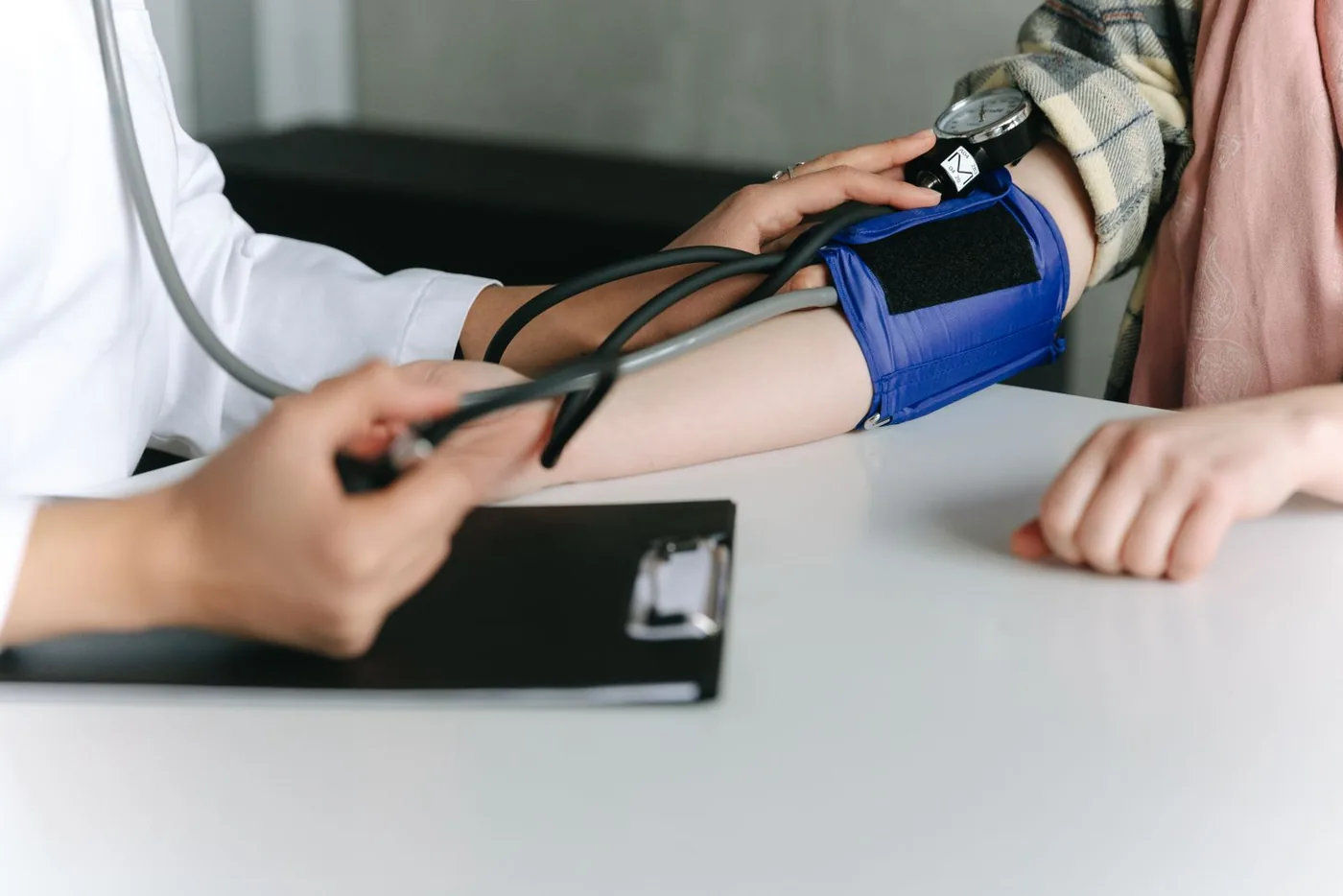
- Taking an accurate blood pressure — proper positioning, cuff selection and placement, technique, common mistakes and understanding when a reading may not be reliable.
- Pressure injury prevention and recognition — identifying risk factors, recognizing early skin changes, prevention strategies and when concerns need to be reported or escalated.
- Recognizing changes in a patient's condition — understanding changes in behavior, restlessness, confusion, breathing, skin color, vital signs and other findings that may indicate a patient needs further assessment.
- Vital signs and clinical assessment — obtaining accurate measurements and understanding what changes may mean rather than simply recording numbers.
- CPR and emergency response — building confidence and competence through hands-on practice, simulation and realistic scenarios.
- Rhythm recognition — helping new ACLS learners recognize and interpret common cardiac rhythms before moving into treatment algorithms.
- Skills competency — developing education and practice opportunities that allow staff to demonstrate that they can actually perform a skill correctly.
- Instructor and educator development — helping healthcare educators build effective, engaging training for their own teams.
These are examples of the types of programs that can be developed. The content is built around the organization's needs, patient population, staff and learning objectives.
Three Ways to Work Together
- Design It — CPR Works develops the curriculum, learning activities, materials and evaluation tools. The organization's educators then deliver the program to their own staff.
- Design & Deliver It — CPR Works develops the education and provides the instruction, either onsite or through an appropriate training format.
- Build It Together — CPR Works works alongside an organization's education team to develop a program that fits its existing policies, procedures, staff and goals.
Education That People Can Actually Use
The goal is not to create another PowerPoint presentation that employees sit through and forget.
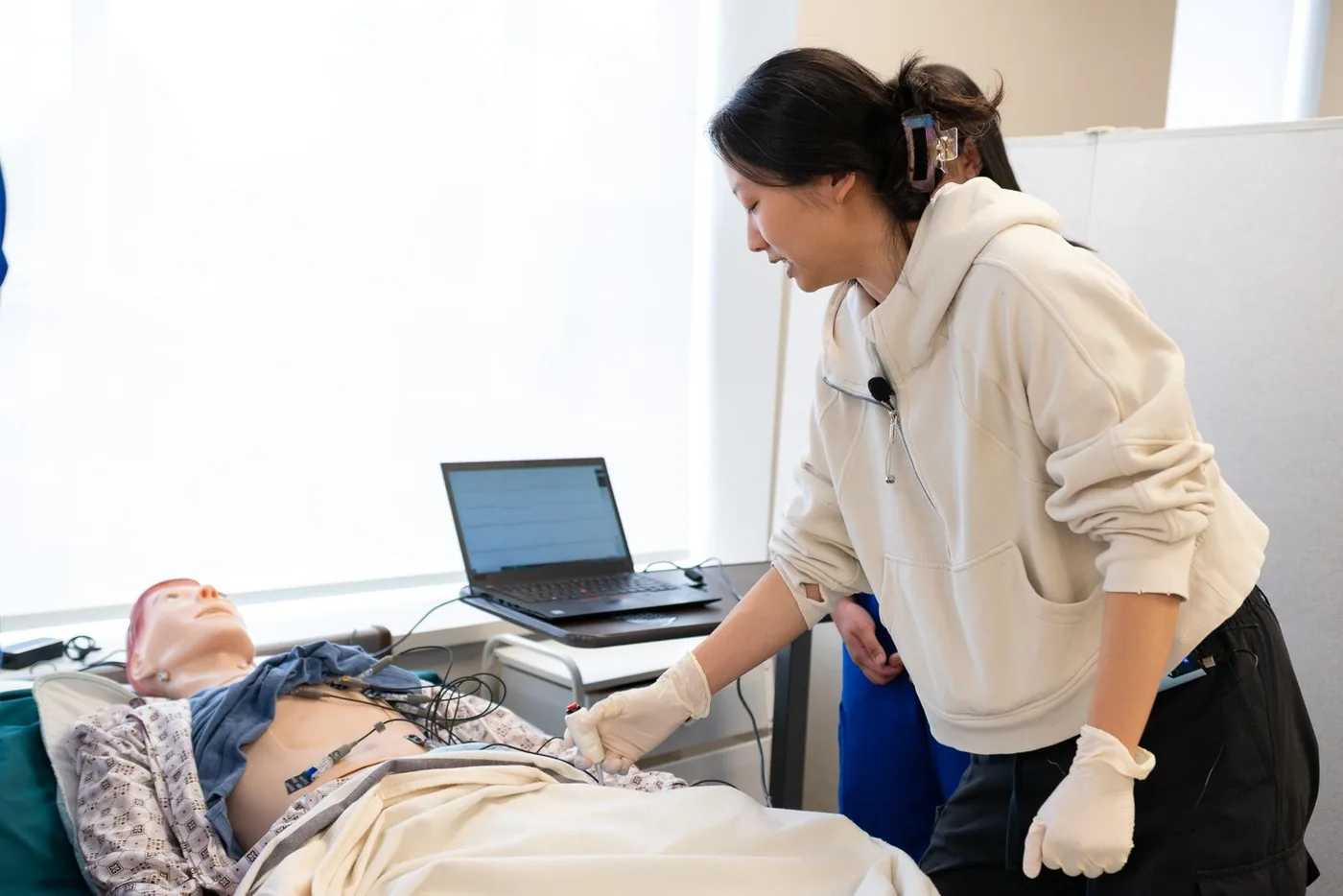
Effective healthcare education should give people the opportunity to learn, practice, ask questions and demonstrate what they know.
Depending on the program, that may include:
- Hands-on skills practice
- Case studies
- Simulation
- Scenario-based learning
- Interactive activities
- Knowledge checks
- Competency assessments
- Skills demonstrations
- Instructor guides
- Learner materials
- Pre- and post-testing
- Program evaluation
Evidence-Based. Practical. Relevant.
Education is developed using current evidence, appropriate clinical standards and the needs of the organization.
The content should make sense to the people actually providing the care. That means taking complex information and turning it into education that is clear, practical and relevant to the clinical setting.
Whether the need is a single skills program or a larger education initiative, CPR Works can help develop training that is designed around how people actually learn and how healthcare is actually delivered.
Building Better Healthcare Education
From teaching someone how to take a blood pressure correctly to helping a nurse recognize an early change in a patient's condition, good education can have a direct impact on the quality and safety of care.
CPR Works brings experience in healthcare education, curriculum development, instructor training and hands-on skills education to organizations that want training to be more than a requirement.
Start the Conversation
Tell us a little about your organization and what your team needs. We'll follow up to talk through the best way to build it.
Have a training need or education project in mind?
Let's talk about what your organization needs and determine the best way to build it.