
Why Every Charlotte Business and Home Needs an AED
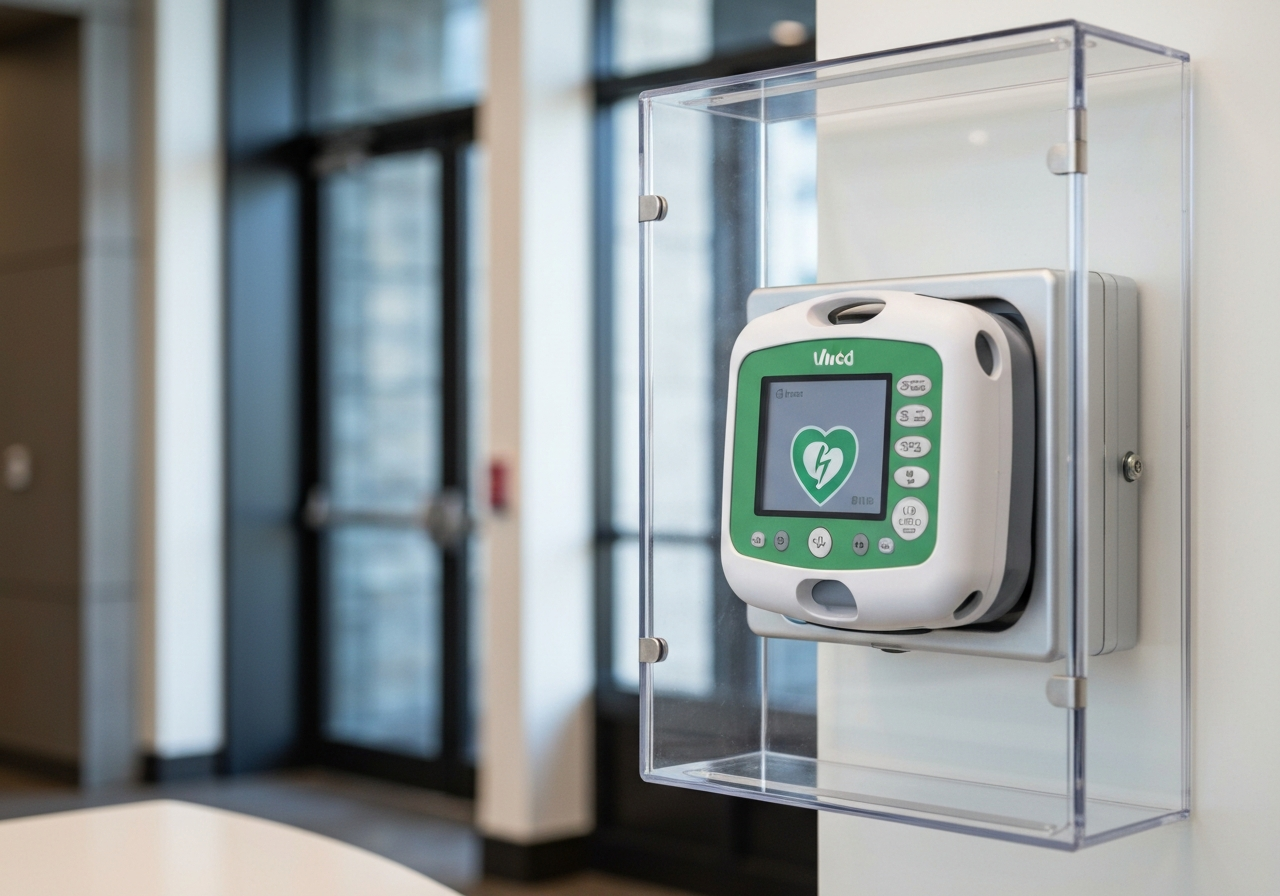
In the vibrant and rapidly growing city of Charlotte, NC, safety preparedness is a paramount concern for both commercial properties and private residences. Sudden Cardiac Arrest (SCA) is a devastating medical emergency, and survival often hinges on immediate intervention. For local stakeholders searching for the best device options, consulting an AED comparison chart Charlotte is the essential first step toward a robust emergency plan. Having a readily accessible Automated External Defibrillator (AED) on site, whether at a busy office in Uptown or a family home in Ballantyne, is one of the most proactive measures you can take to safeguard lives.
Sudden Cardiac Arrest: Why Local Preparedness in the Greater Charlotte Area is Critical
Sudden Cardiac Arrest (SCA) is a massive public health crisis across the nation, and the greater Charlotte area is no exception. SCA occurs when the heart’s electrical system malfunctions, often causing immediate death if not treated within minutes. Nationally, approximately 350,000 out-of-hospital cardiac arrests (OHCA) occur annually in the U.S., with a fatality rate nearing 90% in most regions, according to the Sudden Cardiac Arrest Foundation. The majority of these events—around 70%—occur in homes or private residences, highlighting the myth that SCA only happens in public spaces.
Survival rates are inextricably linked to the speed of the intervention, often referred to as the Chain of Survival. The use of an AED within the first minute of collapse can increase survival rates to as high as 90%. However, these rates plummet with every minute that passes without defibrillation. For Charlotte residents, preparedness means understanding that Emergency Medical Services (EMS) response times, while excellent, cannot always bridge the crucial first few minutes, making a public access defibrillation (PAD) program, anchored by an on-site AED, a literal lifesaver.
Navigating Your Options: The Definitive AED comparison chart Charlotte for 2025
Choosing the right AED for your location can be overwhelming due to the variety of features available. The ultimate goal of an AED comparison chart Charlotte is to break down the technical specifications into usable, actionable information for non-medical first responders. When evaluating units, three key features matter most for untrained lay rescuers: CPR feedback, ease of use (especially pad placement), and maintenance cost/longevity.
Key Features for Charlotte AED Buyers
- CPR Feedback: Does the device provide real-time audio or visual prompts to guide the rescuer on the depth and rate of chest compressions? This is vital for maximizing CPR quality.
- Electrode Pad Design: Are the pads one-piece (easier and faster to apply) or two-piece?
- Battery/Pad Life: Longer-life consumables reduce maintenance and overall cost of ownership.
- IP Rating: Ingress Protection (IP) rating indicates the device’s resistance to dust and moisture, a key factor for devices stored in public or non-climate-controlled environments.
Below is a simplified comparison of three highly-regarded AED models:
| Model | Primary Feature | Pad Configuration | CPR Feedback | Ideal Environment |
|---|---|---|---|---|
| Heartsine Samaritan PAD 350P | Lightweight, Compact | One-Piece Pad-Pak (combines pads & battery) | Audio Prompts Only | Office, Personal Use, Travel |
| Physio-Control LIFEPAK CR Plus | Simple Two-Step Operation | Two-Piece QUIK-PAK™ | None or Basic Audio Prompts | Retail, Manufacturing, Public Access |
| ZOLL AED Plus | Real-Time CPR Feedback | One-Piece CPR-D-padz® | Real-Time Audio/Visual (“Push Harder”) | Schools, Sports Venues, High-Traffic Areas |
Deep Dive 1: Heartsine Samaritan PAD 350P and Physio Control Lifepak CR Plus Features
The Heartsine Samaritan PAD 350P is renowned for its ultra-compact design and easy-to-manage Pad-Pak system. This unique system integrates the battery and electrode pads into a single cartridge, meaning there is only one expiration date to track every four years. Its lightweight portability makes it an excellent choice for mobile responders, small businesses, or home use where simplicity is key.
The Physio-Control LIFEPAK CR Plus, conversely, focuses on a streamlined two-step operation to minimize confusion during a stressful event. As one of the most widely deployed AEDs in the world, its reliability is well-established. It is designed to be largely maintenance-free, offering synchronized replacement for its battery charge-pak and electrode pads. While it may not offer the most advanced, real-time feedback systems, its simple, clear voice prompts make it highly accessible for lay rescuers.
Deep Dive 2: The ZOLL AED PLUS Advantage—Real-Time CPR Feedback
When conducting an AED comparison chart Charlotte analysis, the ZOLL AED Plus stands out specifically for its superior Real CPR Help® technology. This feature is a game-changer for rescuers, whether trained or untrained, because it provides immediate, audio-visual feedback on the quality of chest compressions.
Current resuscitation guidelines emphasize high-quality CPR (correct rate and depth) as a critical component of saving a life. The ZOLL AED Plus is equipped with a sensor that literally measures the depth of each chest compression and prompts the rescuer with instructions like “Push Harder” or confirms “Good Compressions,” ensuring the rescuer maintains the necessary rate and depth guidelines for high-quality CPR. Furthermore, the ZOLL unit features an intuitive, one-piece CPR-D-padz electrode that simplifies and speeds up pad placement, crucial in those first life-saving moments.
The Next Step: Securing AHA-Certified Training for Your New AED
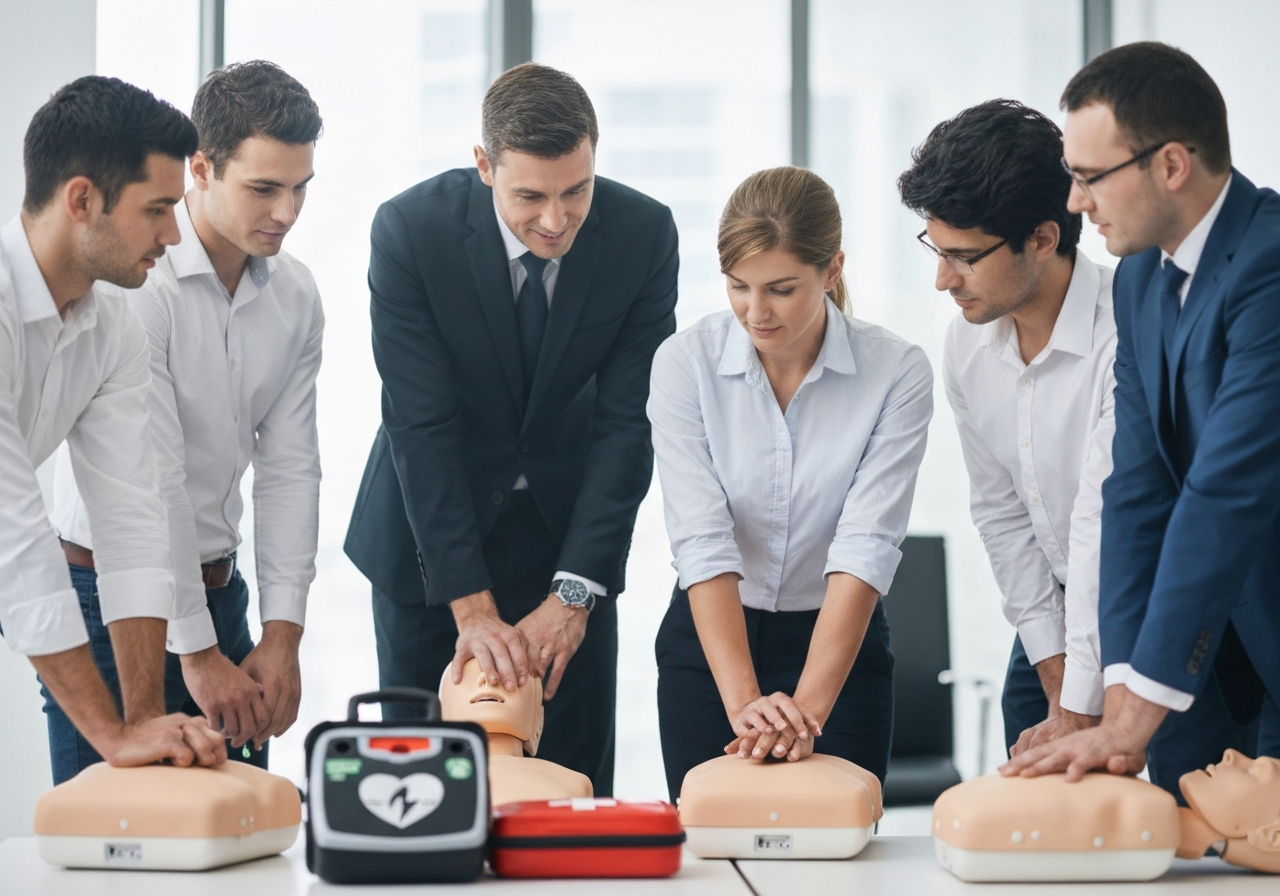
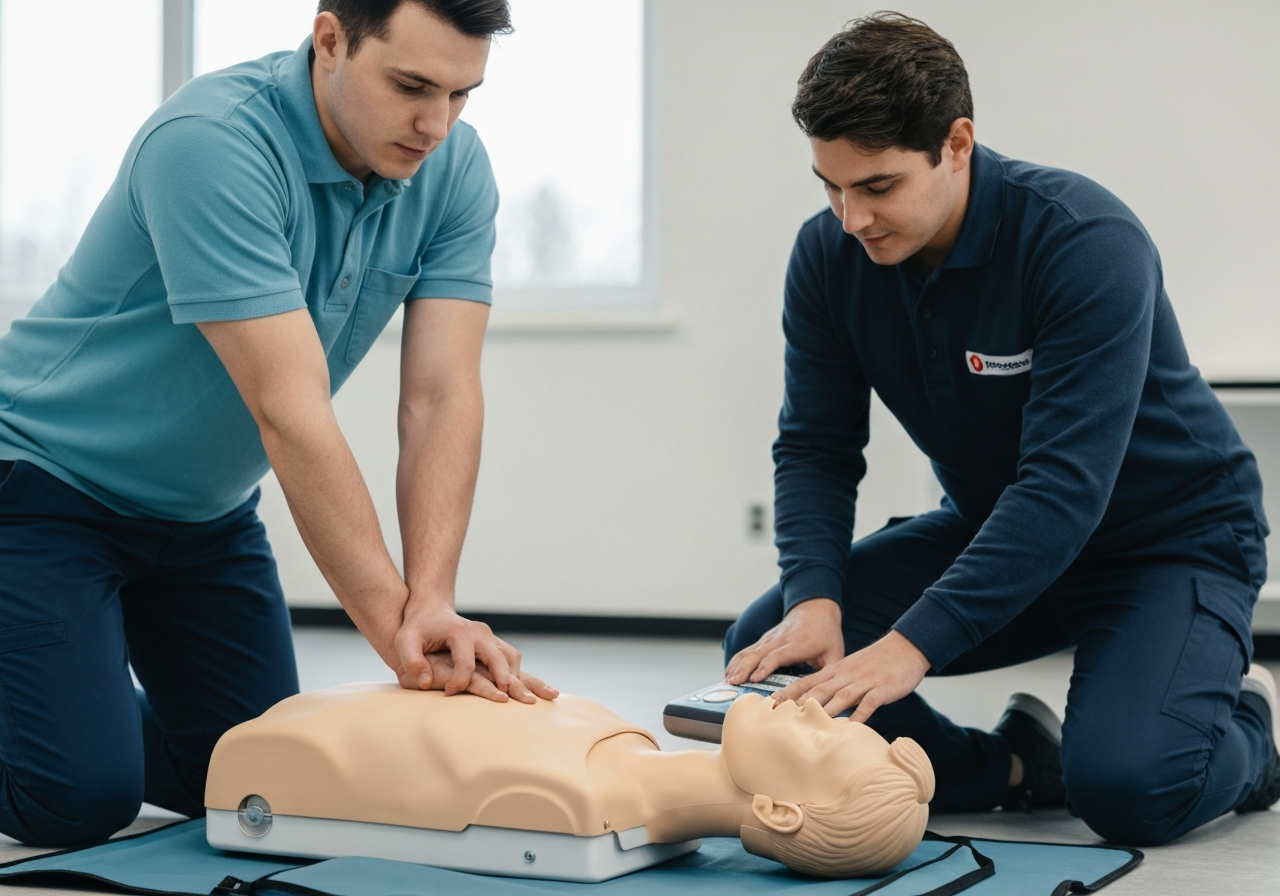
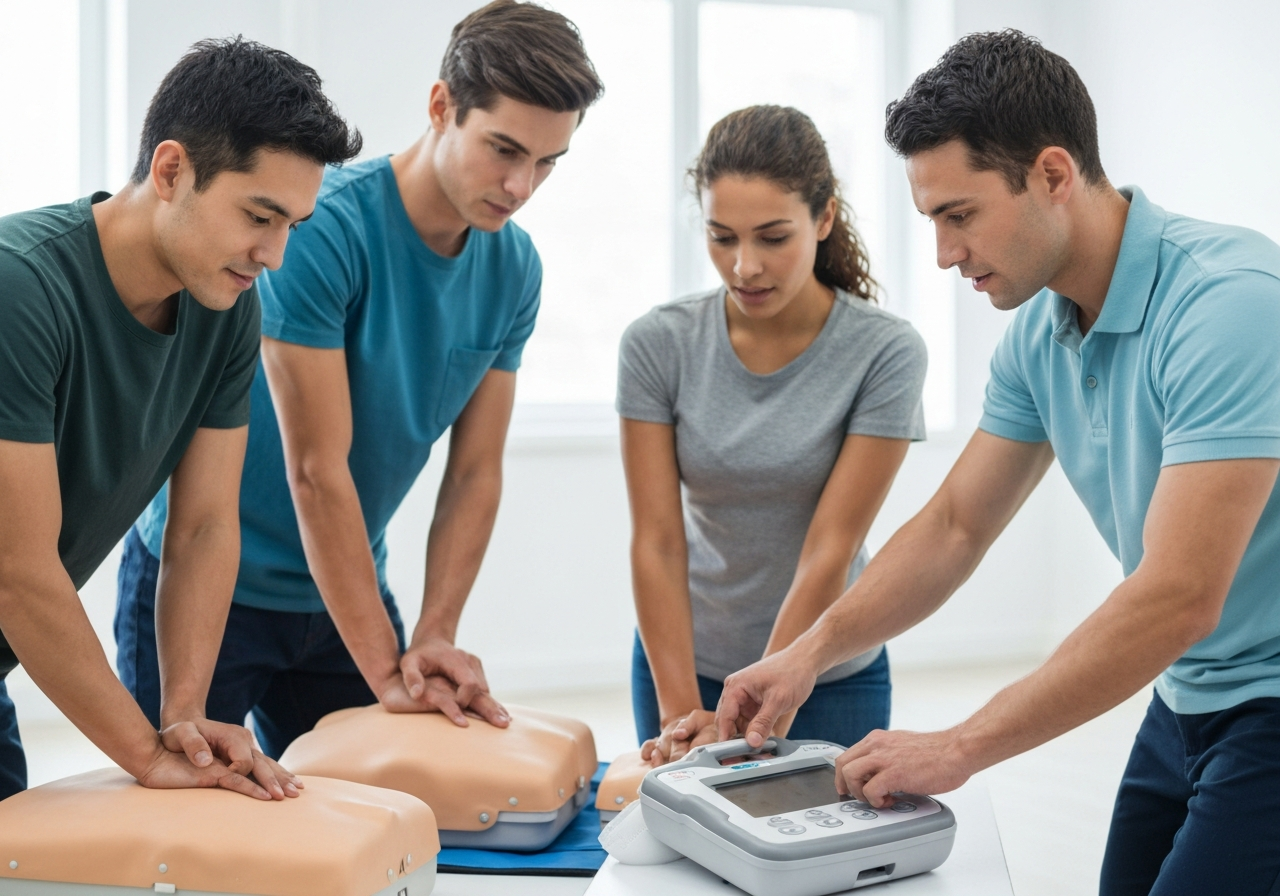
An AED is only as effective as the person using it. After acquiring an AED, the non-negotiable next step is securing proper, AHA-certified training for the individuals who will be responsible for deployment. Bystander CPR and early defibrillation are cornerstones of improving survival rates for cardiac arrest victims. Even if you have the best device from an AED comparison chart Charlotte, an untrained user may hesitate or deliver sub-optimal care.
Training courses cover not just how to turn on the AED and attach the pads, but also:
- Recognition of Sudden Cardiac Arrest symptoms.
- Proper hands-only or conventional Cardiopulmonary Resuscitation (CPR) techniques.
- Understanding the “Chain of Survival” model.
- Responding with confidence in a high-stress emergency situation.
Training is readily available through established organizations like the American Heart Association and the American Red Cross, and local providers like CPR Works Charlotte can provide on-site, customized instruction to help communities be prepared.
Beyond the Product: The CPR Works Charlotte Local Advantage (Serving Matthews, Concord, and Gastonia)
Acquiring an AED is more than a simple transaction; it is an adoption of a long-term safety program. In the Charlotte region, partnering with a local expert like CPR Works Charlotte offers significant advantages over national distributors.
What Local Partnership Provides:
- Regulatory Compliance: Navigating North Carolina’s specific Good Samaritan laws and AED registration requirements can be complex. A local provider ensures your program is compliant, protecting you and your organization.
- Program Management: We help manage the logistics, including tracking battery and pad expiration dates—a common point of failure for AED programs.
- Localized Training: Customized, on-site training delivered to your staff, whether in a large facility in Concord or a smaller office in Matthews, ensuring confidence and team-readiness.
- Post-Event Support: In the event of a deployment, local experts assist with data retrieval, device readiness check, and resupply to get your unit back online immediately.
This localized expertise ensures that your AED program remains “Rescue Ready,” year after year, offering peace of mind to businesses, schools, and organizations throughout Gastonia and the surrounding communities.
Get Local, Get Certified: Final Steps for Enhancing Your Safety Plan
The move from planning to implementation requires two final, essential steps once you’ve utilized your AED comparison chart Charlotte and selected your device:
- Establish a Cardiac Emergency Response Plan (CERP): Your staff needs to know precisely who is trained, where the AED is located, who calls 911, and how the team coordinates the response.
- Ensure Ongoing Readiness: Regularly check your AED’s readiness indicator light, monitor consumable expiration dates, and schedule refresher CPR and AED training for your personnel. Given the high stakes of SCA, vigilance is critical to ensure that your investment is prepared to function flawlessly when a crisis occurs.
Don’t leave your AED program to chance. Ready to select the right device, secure AHA-certified training, and establish a compliant ‘Rescue Ready’ program with Charlotte’s local experts? Contact CPR Works Charlotte today to ensure your organization is prepared for the moment that matters most.