Stay Current, Save Lives: Your Essential Guide to Evidence-based CPR Instruction
Understanding the Power of Evidence-based CPR Instruction
In emergencies where every second counts, Cardiopulmonary Resuscitation (CPR) stands as a vital, life-saving intervention. However, the efficacy of CPR relies heavily on instruction that is rooted in current scientific understanding and proven techniques. This is where Evidence-based CPR Instruction becomes paramount, ensuring that individuals, from laypersons to healthcare professionals, are equipped with the most effective methods to respond to cardiac arrest.
Evidence-based CPR is not static; it evolves with rigorous research and updated guidelines from authoritative bodies like the American Heart Association (AHA). These guidelines, which are reviewed and updated every five years, synthesize the latest scientific findings to define optimal compression rates, depths, and ventilation techniques. Understanding and adhering to these dynamic, evidence-backed protocols significantly enhances the chances of a positive outcome during a cardiac emergency.
Why Evidence-Based CPR is Crucial for Effective Life-Saving
The impact of immediate, high-quality CPR on survival rates from sudden cardiac arrest cannot be overstated. Statistics reveal a stark reality: approximately 436,000 Americans die from cardiac arrest annually, and globally, it claims more lives than many cancers, influenza, and auto accidents combined. For out-of-hospital cardiac arrests (OHCA), which number over 350,000 each year in the U.S., the survival rate to hospital discharge is alarmingly low, around 9.1%. Yet, when immediate CPR is administered by a bystander, the chances of survival can double or even triple.
Despite this critical need, only about 40% of OHCA victims receive immediate help before professional medical services arrive. This highlights a crucial gap that evidence-based training seeks to bridge. Research confirms that survival chances decrease by 10% for every minute that immediate CPR and the use of an Automated External Defibrillator (AED) are delayed. By providing individuals with up-to-date, scientifically validated techniques, evidence-based instruction empowers them to act decisively and effectively, dramatically improving the odds for those experiencing cardiac arrest.
Key Scientific Principles Behind Modern CPR Techniques
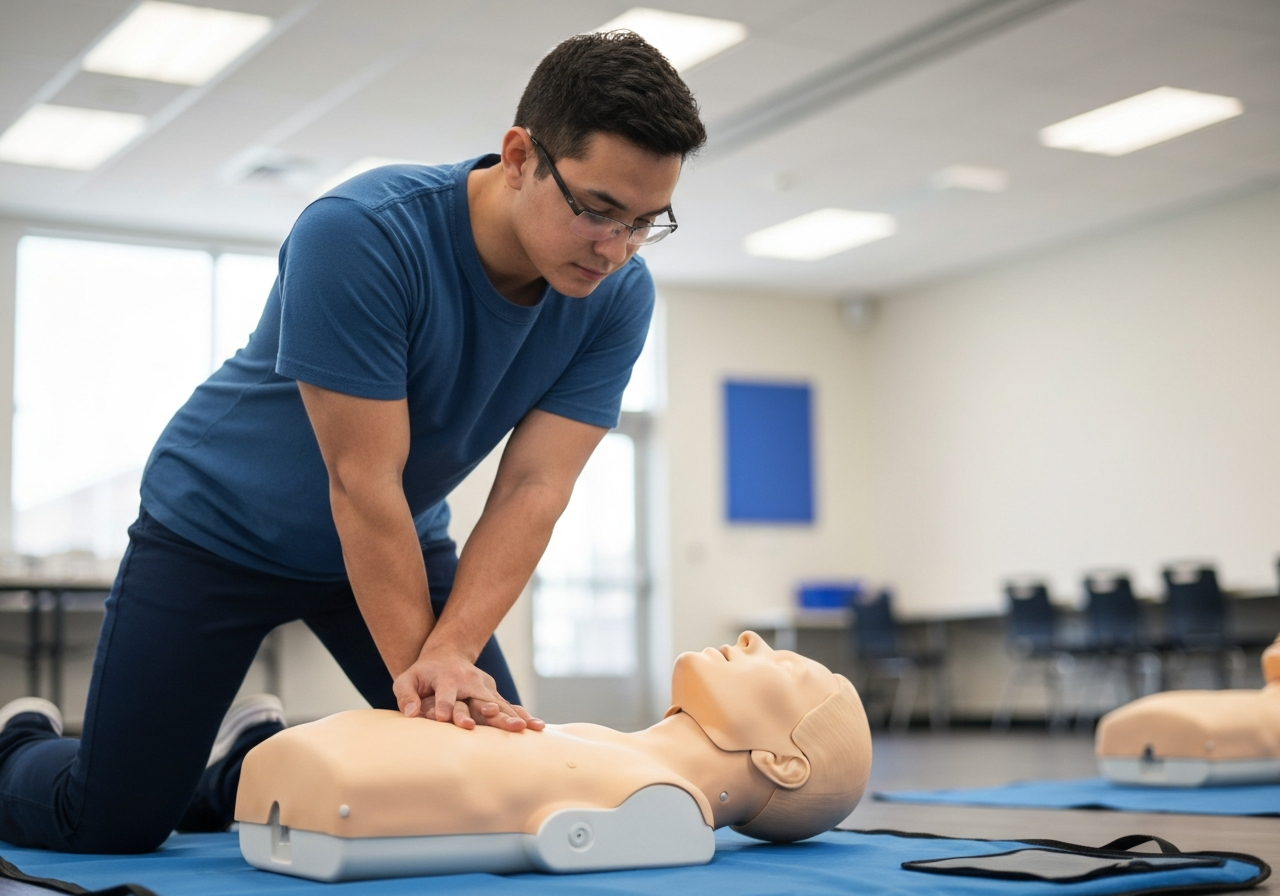
Modern CPR techniques are built upon core scientific principles, focusing on maximizing blood flow and oxygen delivery to vital organs during cardiac arrest. The primary components include chest compressions and, in conventional CPR, artificial ventilation. High-quality CPR, as emphasized by guidelines, is characterized by:
- Optimal Compression Rate: Rescuers should aim for 100 to 120 compressions per minute.
- Adequate Compression Depth: For adults, chest compressions should be at least 2 inches (5 cm) deep, but no more than 2.4 inches (6 cm).
- Complete Chest Recoil: Allowing the chest to fully recoil after each compression is crucial for the heart to refill with blood, ensuring effective circulation.
- Minimizing Interruptions: Pauses in chest compressions should be kept to an absolute minimum to maintain continuous blood flow to the brain and heart.
These principles are reinforced in training, often employing a “CAB” sequence (Compressions, Airway, Breathing) for unresponsive individuals without a pulse. While conventional CPR includes rescue breaths, compression-only CPR is a recognized alternative, particularly for untrained bystanders, simplifying the process and encouraging immediate action. The effectiveness of these techniques is continuously evaluated, leading to refinements in guidelines to ensure the most impactful interventions are taught and applied.
Leveraging Technology: Real-Time Feedback and Simulation in CPR Training
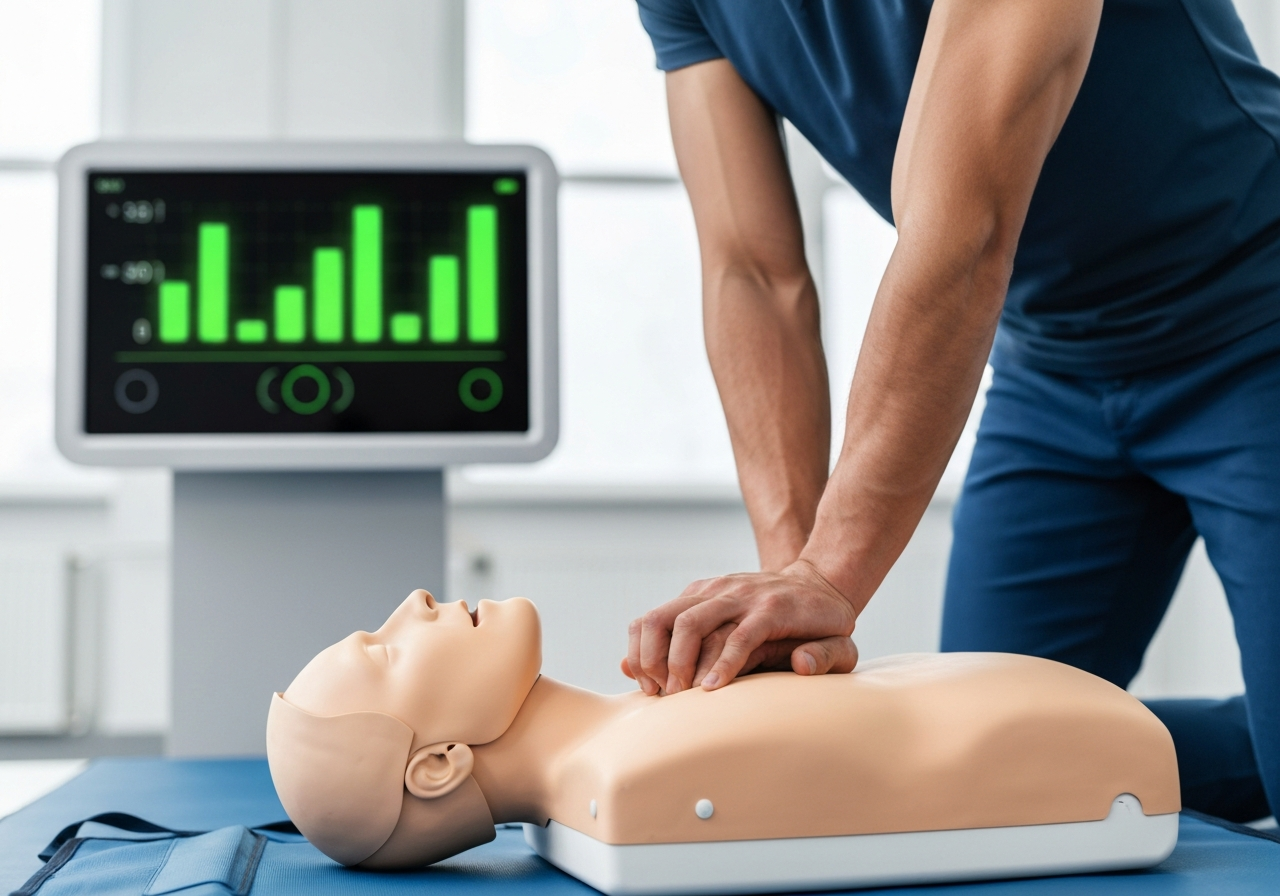
Technology has revolutionized the delivery and effectiveness of CPR training, moving beyond traditional didactic methods to incorporate immersive, hands-on experiences. Real-time feedback devices and advanced simulation manikins are central to this evolution, providing immediate, objective data on performance metrics such as compression rate, depth, and recoil.
Studies have consistently shown that automated real-time feedback devices significantly enhance skill acquisition and CPR performance during training. These devices, sometimes integrated into smartwatches or specialized manikins, offer visual and auditory cues that allow learners to correct their technique on the spot. This immediate feedback transforms learning from passive instruction to performance-based mastery.
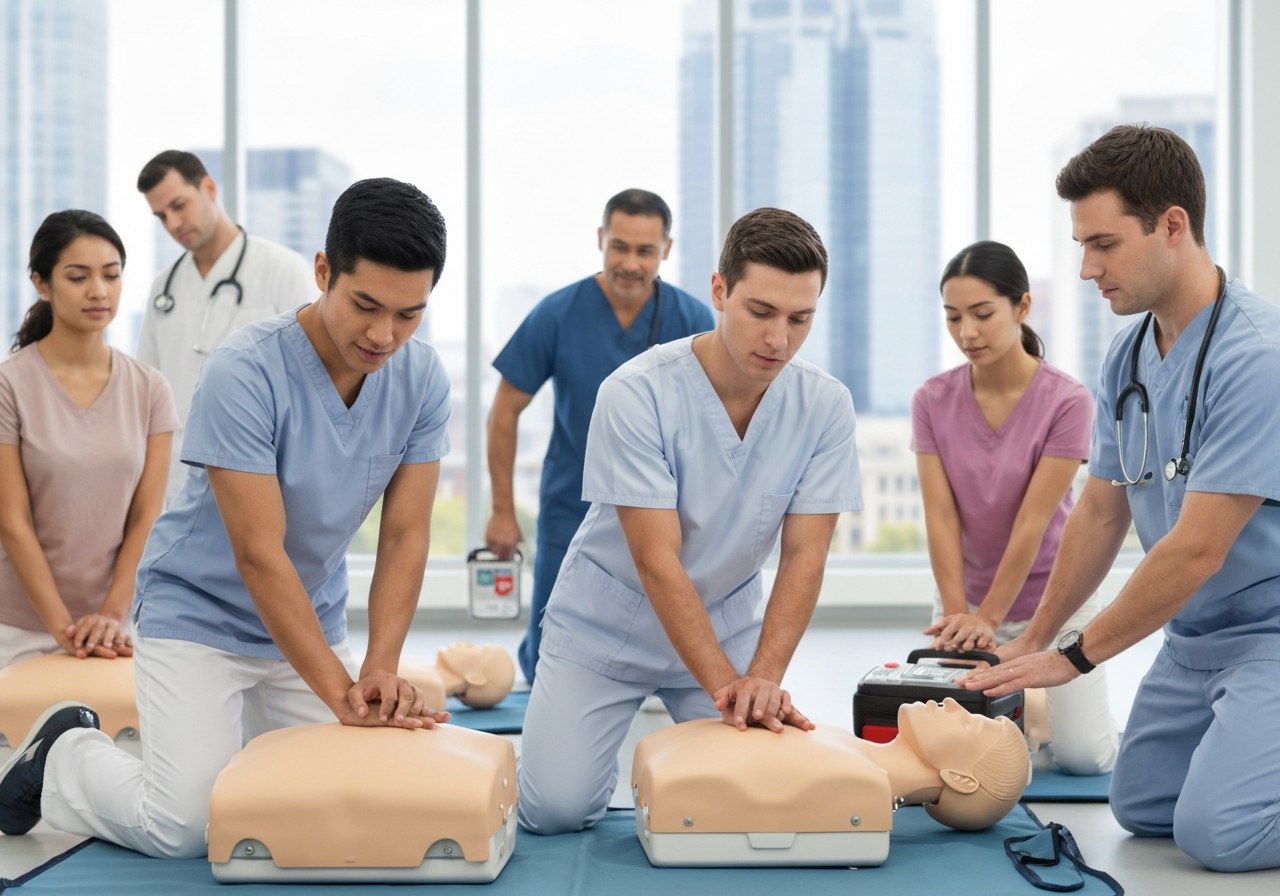
Simulation stations, such as those used in RQI (Resuscitation Quality Improvement) programs, provide low-dose, high-frequency practice opportunities. These stations, equipped with adult and pediatric manikins and real-time feedback tablets, enable healthcare professionals and other trainees to continuously refine their psychomotor skills without disrupting patient care. Virtual reality (VR) and augmented reality (AR) technologies further immerse learners in realistic emergency scenarios, boosting confidence and readiness to act when a real emergency occurs.
Comprehensive Training: Beyond CPR to First Aid, AED, BLS, ACLS, and PALS
Effective emergency preparedness extends beyond basic CPR, encompassing a broader spectrum of life-saving skills. Comprehensive training programs integrate various components to prepare individuals for diverse medical emergencies. Key areas include:
- First Aid: Essential for addressing injuries and sudden illnesses until professional medical help arrives.
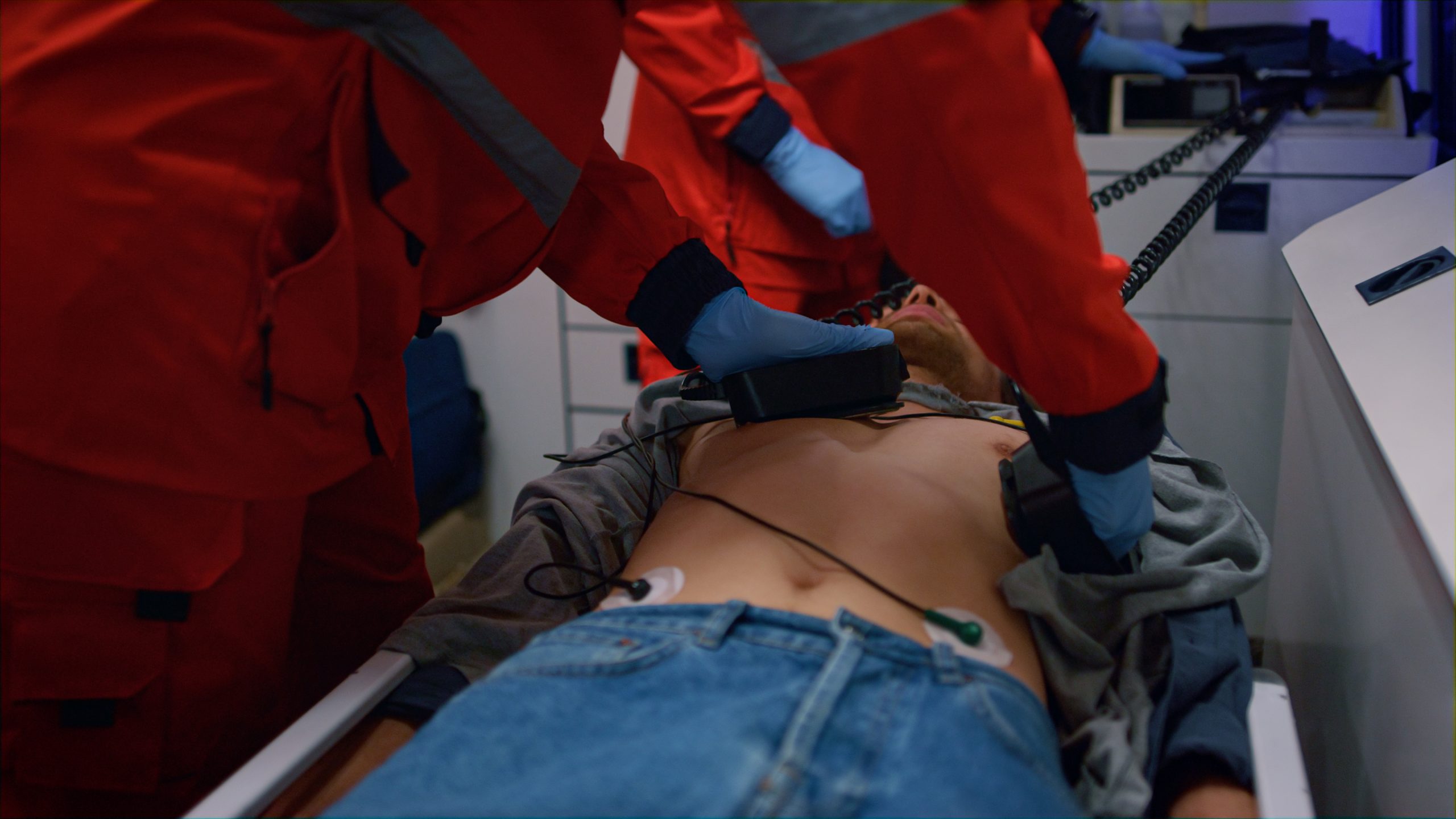
- Automated External Defibrillator (AED) Usage: Early defibrillation is critical for many cardiac arrest scenarios. Training in AED use is vital, as combining CPR with AED deployment significantly improves survival rates. Modern AEDs are designed for ease of use, providing clear voice prompts to guide users.
- Basic Life Support (BLS): Geared towards healthcare professionals and first responders, BLS builds upon fundamental CPR and AED skills with more advanced techniques for managing cardiac and respiratory emergencies.
- Advanced Cardiovascular Life Support (ACLS) and Pediatric Advanced Life Support (PALS): These specialized courses, typically for healthcare providers, involve advanced interventions and team dynamics for complex adult and pediatric cardiovascular emergencies. The American Heart Association offers various options for ACLS training, including blended learning formats that combine online coursework with hands-on skills sessions.
Such holistic training, often available through blended learning models that combine online theoretical modules with in-person practical sessions, ensures a well-rounded capability to respond effectively in critical situations.
Transforming Skills: How Evidence-Based Training Boosts Confidence and Competence
The transition from knowing what to do to having the confidence to act under pressure is a critical aspect of emergency response. Evidence-based training programs are specifically designed to cultivate this confidence alongside technical competence. Studies indicate that while initial CPR training provides foundational knowledge, skills can degrade quickly, often within six months, reinforcing the need for regular refresher courses. This rapid decay of skills highlights a real-world lesson: continuous, reinforced learning is essential.
One of the most convincing pieces of evidence for the credibility of these programs comes from participants’ self-reported outcomes. For example, individuals who undergo comprehensive CPR, AED, and First Aid training often report feeling significantly more prepared and confident to act in an emergency. This enhanced confidence is not just a feeling; it is a critical predictor of the willingness to intervene. Training programs that incorporate practical, hands-on simulations with real-time feedback, much like those offered by RQI Simulation Stations, demonstrably improve skill retention and empower individuals to perform high-quality CPR. Furthermore, research emphasizes that reinforcement of existing knowledge and competence plays a significant role in fostering confidence and a stronger intention to apply learned skills in real-life scenarios.
This shift from mere competency to profound confidence is a unique angle that makes continuous evidence-based training a definitive guide for emergency preparedness. Even “imperfect” CPR is better than none at all, as Dr. Eliza Pierko’s experience of saving a fellow marathon runner illustrates. The regular, high-quality practice helps individuals overcome hesitation and reinforces the critical message: just start.
Your Partner in Safety: Choosing AHA-Compliant Training with CPR Works Charlotte
Selecting the right training provider is crucial for ensuring that individuals and organizations receive the highest standard of emergency preparedness education. CPR Works Charlotte is dedicated to providing American Heart Association (AHA) compliant training, offering a professional, authoritative, and community-focused approach to life-saving skills. Our programs are meticulously designed to meet the rigorous guidelines set by the AHA, ensuring participants learn the most current and effective techniques in Cardiopulmonary Resuscitation, First Aid, and AED usage.
For businesses across various sectors—including healthcare, education, fitness, construction, and corporate offices—CPR Works Charlotte offers flexible and comprehensive solutions. Whether you require on-site training for your entire staff or group courses tailored to specific needs, our certified instructors deliver engaging and informative sessions. We also provide specialized blended learning options for multi-discipline certifications such as BLS, ACLS, and PALS, catering to healthcare professionals seeking advanced life support credentials. Our commitment extends to individual educators and community members in the Charlotte, Gastonia, and Fort Mill areas, ensuring everyone has access to vital certifications for personal preparedness or professional requirements.
Choosing CPR Works Charlotte means partnering with a provider that prioritizes workplace safety, OSHA compliance, reduced business liability, and enhanced employee confidence. Our training helps build resilient healthcare teams, accelerating clinical readiness through evidence-based, standardized protocols. We empower our community with the skills and knowledge to make a difference when moments matter, emphasizing quality instruction and practical application.
Stay Current, Save Lives: Embrace Continuous Learning for Emergency Preparedness
The landscape of resuscitation science is dynamic, with new research and updated guidelines continually emerging to refine best practices in emergency care. To truly be prepared and effective, individuals and organizations must embrace a philosophy of continuous learning in Evidence-based CPR Instruction. The benefits of staying current are clear: improved skills, increased confidence, and ultimately, a greater capacity to save lives.
Regular refreshers are not merely a formality but a necessity, as studies show that CPR skills can diminish significantly over time. Organizations like the American Red Cross recommend annual formal training refreshers to keep skills sharp. This continuous engagement with updated protocols and hands-on practice, facilitated by innovative training methods such as real-time feedback devices and simulation stations, transforms initial learning into sustained expertise. It reinforces knowledge and competence, predicting a stronger intention to act when faced with a real emergency.
For individuals and professionals alike, investing in ongoing education is an investment in community safety and personal readiness. Whether it’s through scheduled courses, blended learning, or even quick online refreshers, committing to continuous learning ensures that the life-saving power of CPR remains robust and ready for deployment. The goal is to cultivate a community where everyone feels equipped and confident to provide critical aid, ensuring that more individuals survive sudden cardiac arrest.
Ready to enhance your life-saving skills? Visit our Contact Us page today to learn more about our AHA-compliant training programs.