Introduction: Demystifying Essential Life Support Training
Understanding the distinctions between various life-saving certifications is crucial for both individuals and professionals. When it comes to emergency response, two terms often arise: Cardiopulmonary Resuscitation (CPR) and Basic Life Support (BLS). While closely related, they cater to different audiences and encompass varying scopes of training. Navigating the world of certifications, especially understanding CPR Vs BLS, is the first step towards enhancing safety and preparedness in any setting.
Understanding CPR: The Foundation of Emergency Response
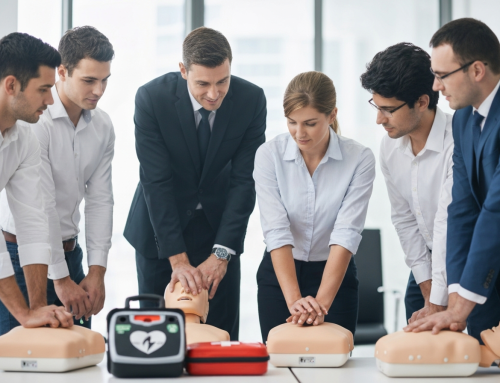
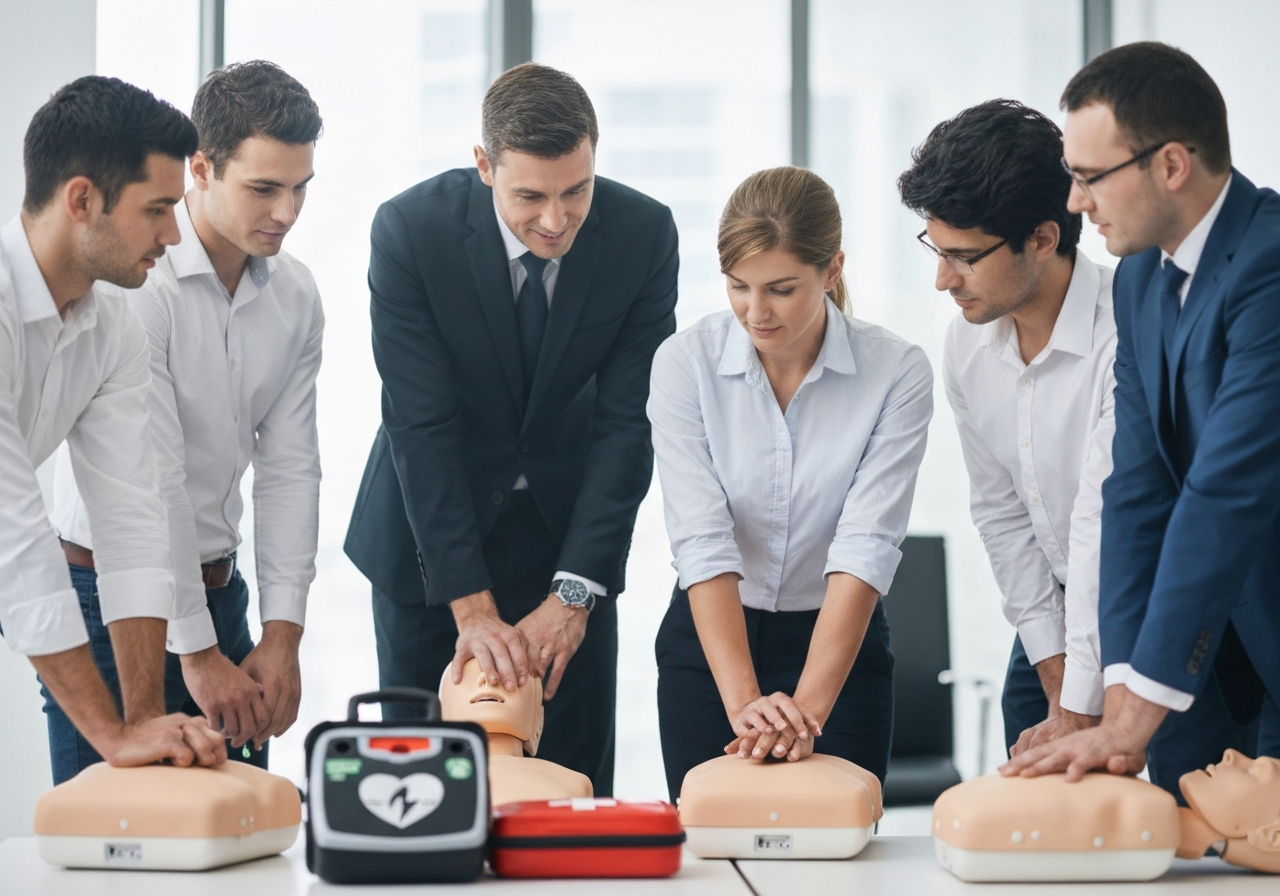
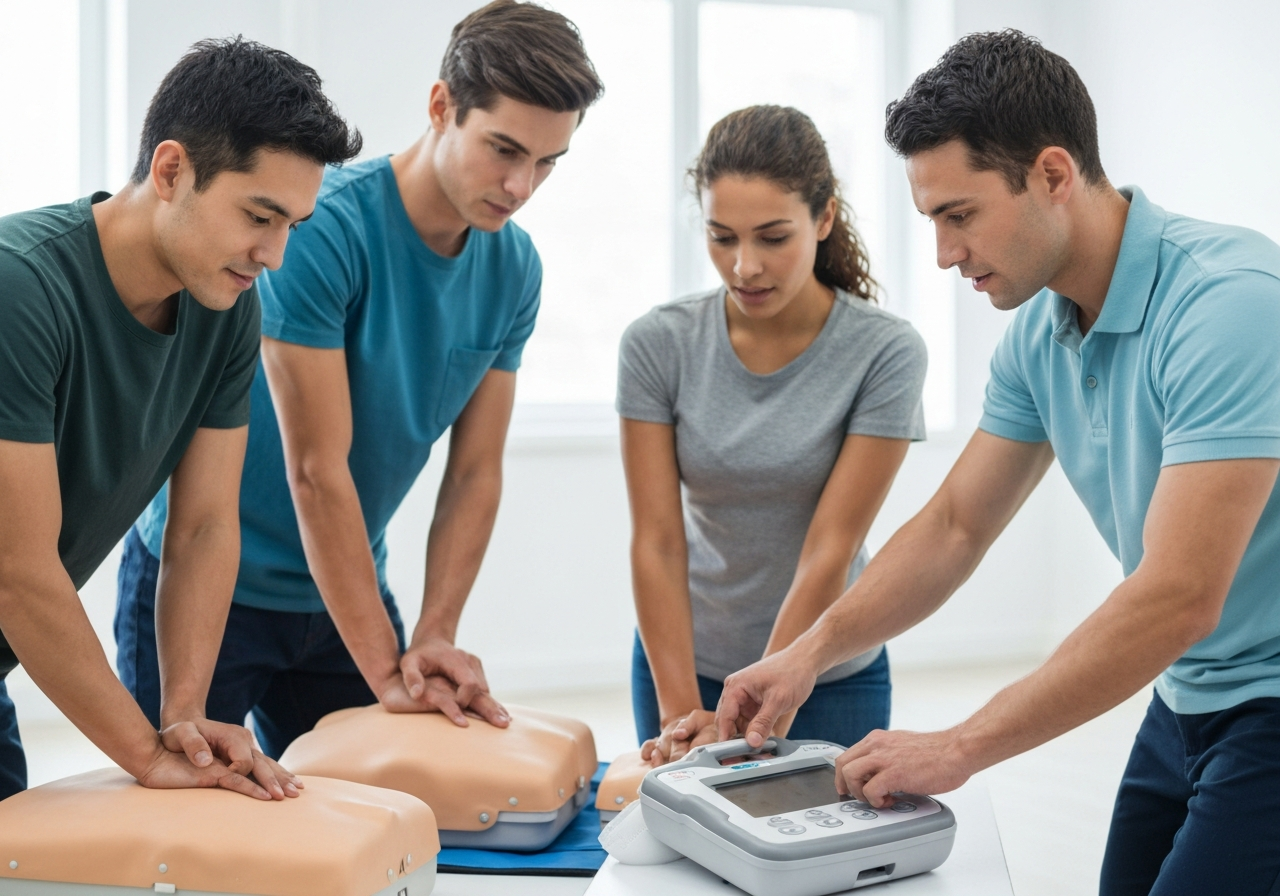
CPR, or Cardiopulmonary Resuscitation, is a fundamental life-saving technique designed for immediate intervention during cardiac arrest. It involves a combination of chest compressions and rescue breaths to circulate blood and oxygen to the brain and other vital organs until professional medical help arrives. CPR training is typically accessible to the general public, including parents, teachers, and community members, equipping them with the basic skills to respond to cardiac emergencies at home, school, or in public places. Courses often cover how to perform CPR on adults, children, and infants, as well as the use of an Automated External Defibrillator (AED) and techniques for relieving choking.
Delving into BLS: Basic Life Support for Healthcare Professionals
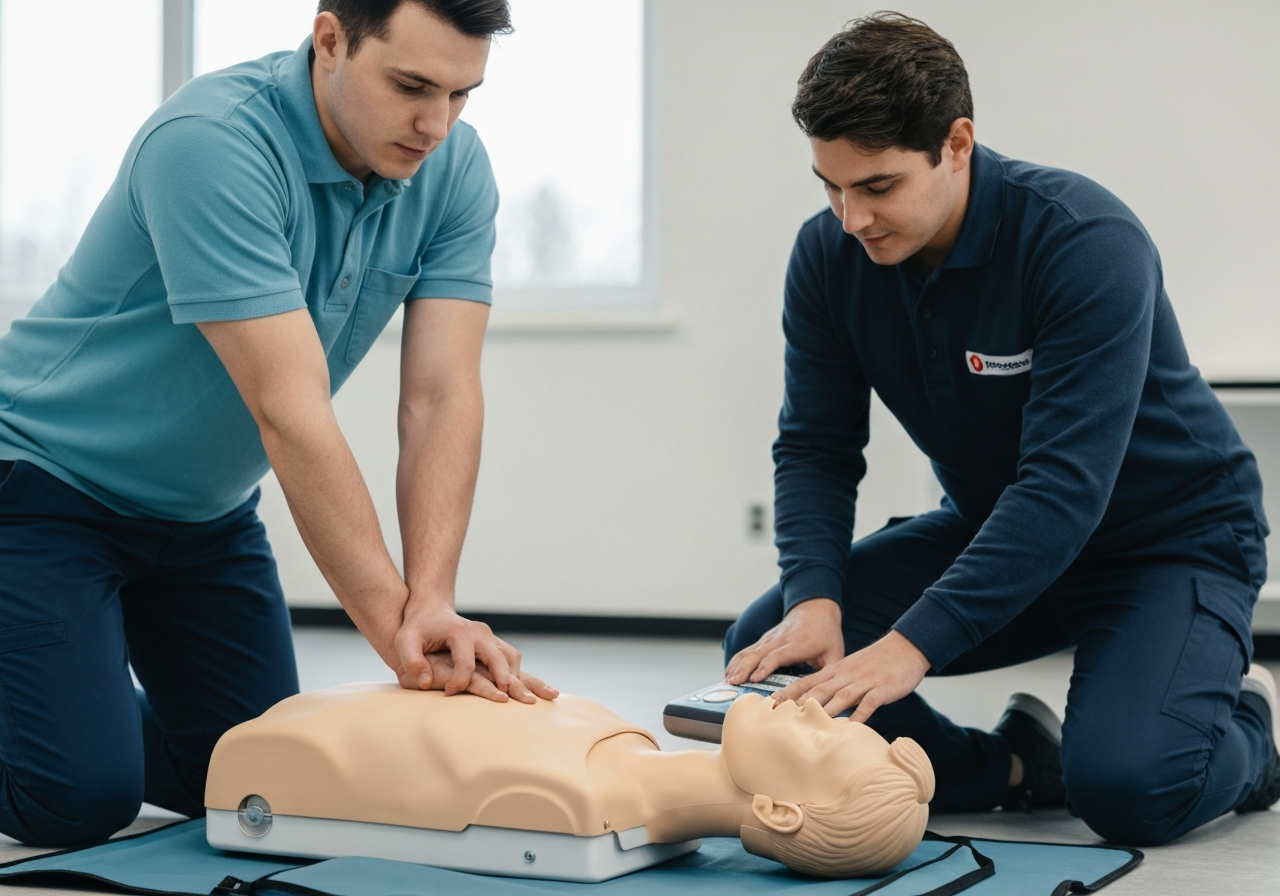
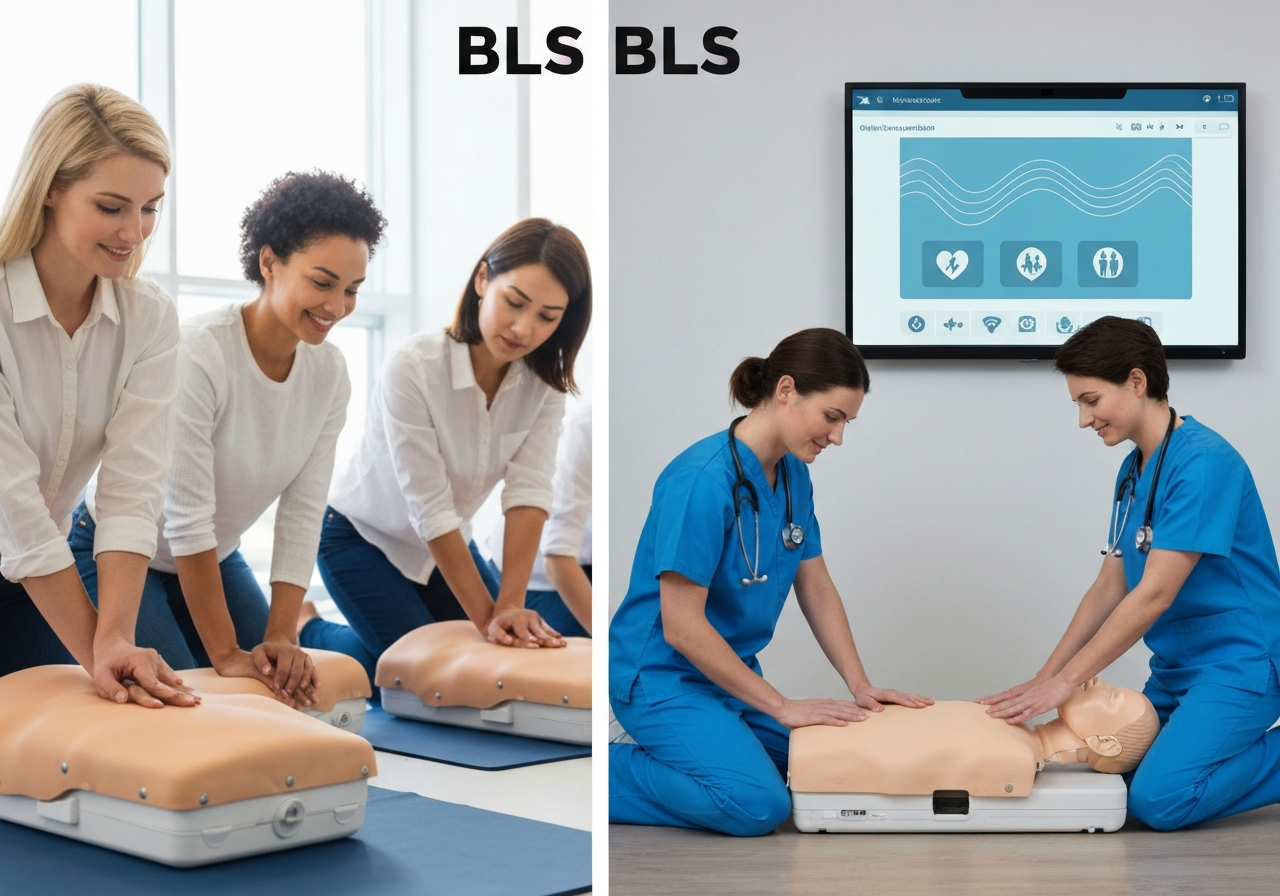
Basic Life Support (BLS) is a more comprehensive level of emergency cardiovascular care primarily intended for healthcare professionals and first responders. This includes nurses, physicians, paramedics, EMTs, and other public safety personnel who need to perform advanced life support skills in a wide array of in-hospital and out-of-hospital environments. BLS training from organizations like the American Heart Association (AHA) and American Red Cross reflects the latest scientific guidelines and emphasizes high-quality chest compressions, effective ventilations, and the early use of an AED. Beyond core CPR skills, BLS courses delve into rapid assessment, critical thinking, problem-solving, team dynamics during multi-rescuer CPR, and legal considerations, preparing individuals for a broader range of medical emergencies.
CPR Vs BLS: Key Distinctions and Applications
The core difference between CPR Vs BLS lies in their scope and target audience. While CPR is a component of BLS, BLS training provides a more in-depth and expanded curriculum tailored for healthcare providers.
- Scope of Training:
- CPR: Focuses on basic resuscitation techniques for cardiac arrest and choking, often for single-rescuer scenarios. It’s about maintaining life until more advanced help can intervene.
- BLS: Encompasses all CPR skills but adds layers of assessment, critical decision-making, team dynamics, and management of various breathing and cardiac emergencies, including opioid overdoses and advanced airway interventions.
- Target Audience:
- CPR: Designed for lay rescuers, anyone who wishes to learn life-saving skills for personal preparedness or non-medical professional requirements.
- BLS: Mandatory for healthcare professionals and first responders who are expected to manage emergencies in a clinical or pre-hospital setting, often requiring continuing education credits.
- Certification Validity: Both CPR and BLS certifications typically last for two years, requiring recertification to ensure skills remain current and proficient.
Choosing Your Path: Which Certification is Right for You?
Deciding between CPR and BLS certification often depends on your profession, daily responsibilities, and personal goals. If you are a healthcare clinician, a first responder, or work in a medical environment, BLS certification is almost certainly the required standard. For many other professionals—such as teachers, childcare providers, fitness trainers, or construction workers—a standard CPR and First Aid certification is usually sufficient and may even be mandated for workplace safety. Individuals seeking to empower themselves with essential life-saving knowledge for their families and communities will find a CPR certification highly beneficial. It’s always best to check with your employer or educational institution to confirm specific certification requirements.
Beyond Certification: Enhancing Workplace Safety and Emergency Preparedness
Obtaining CPR and BLS certifications extends beyond personal preparedness; it significantly contributes to a safer and more resilient community and workplace. For businesses, providing employees with these skills cultivates a culture of safety, boosts employee confidence, and reduces liability by ensuring immediate response during emergencies. This proactive approach aligns with OSHA compliance and enhances overall emergency preparedness. Having trained personnel who can effectively utilize an Automated External Defibrillator (AED) and administer CPR dramatically increases the chances of survival during sudden cardiac arrest, a devastating event that affects hundreds of thousands annually.
Why Choose CPR Works Charlotte for Your Training Needs?
CPR Works Charlotte stands as a premier provider of life-saving education, dedicated to empowering individuals and organizations with critical emergency response skills. As an American Heart Association (AHA) authorized training center, we offer a wide range of courses, including BLS, ACLS, PALS, and various CPR and First Aid certifications, ensuring that our training meets the highest standards. We are committed to transparency and excellence, boasting a Better Business Bureau (BBB) registration and over 15 years of experience in the field. Our flexible training options include blended learning, allowing students to complete coursework online and then attend hands-on skills sessions. We also specialize in on-site training for groups and businesses, tailoring programs to meet specific organizational needs and ensuring workplace safety. Whether you’re in Charlotte, Concord, Fort Mill, or surrounding areas, CPR Works Charlotte provides the expertise and hands-on practice necessary for you to become a confident and effective responder.
Empower Yourself and Your Community: Get Certified Today
The ability to respond effectively in a medical emergency is an invaluable skill. By understanding the critical differences and applications of CPR Vs BLS, you can make an informed decision about the training that best suits your needs. Whether you are a healthcare professional requiring advanced certification or a community member committed to personal preparedness, gaining these life-saving skills can make a profound impact. Choose CPR Works Charlotte for your training, and join the countless individuals who are ready to make a difference when every second counts. Explore our comprehensive course descriptions and register for a class today to empower yourself and your community.
Ready to empower yourself with life-saving skills? Contact CPR Works Charlotte today to learn more about our CPR and BLS training programs.