The Indispensable Value of BLS for Healthcare Professionals
In the demanding and fast-paced world of healthcare, the ability to respond effectively to medical emergencies is not just a skill, but a professional imperative. This is where BLS Certification for Healthcare Professionals becomes foundational. Basic Life Support (BLS) training equips medical and public safety clinicians—including nurses, physicians, EMTs, and CNAs—with the critical knowledge and hands-on skills needed to manage life-threatening situations before advanced medical help arrives. It’s a comprehensive program that goes beyond basic CPR, fostering critical thinking, teamwork, and clinical decision-making skills vital for patient survival and positive outcomes.
Understanding BLS Certification: More Than Just CPR
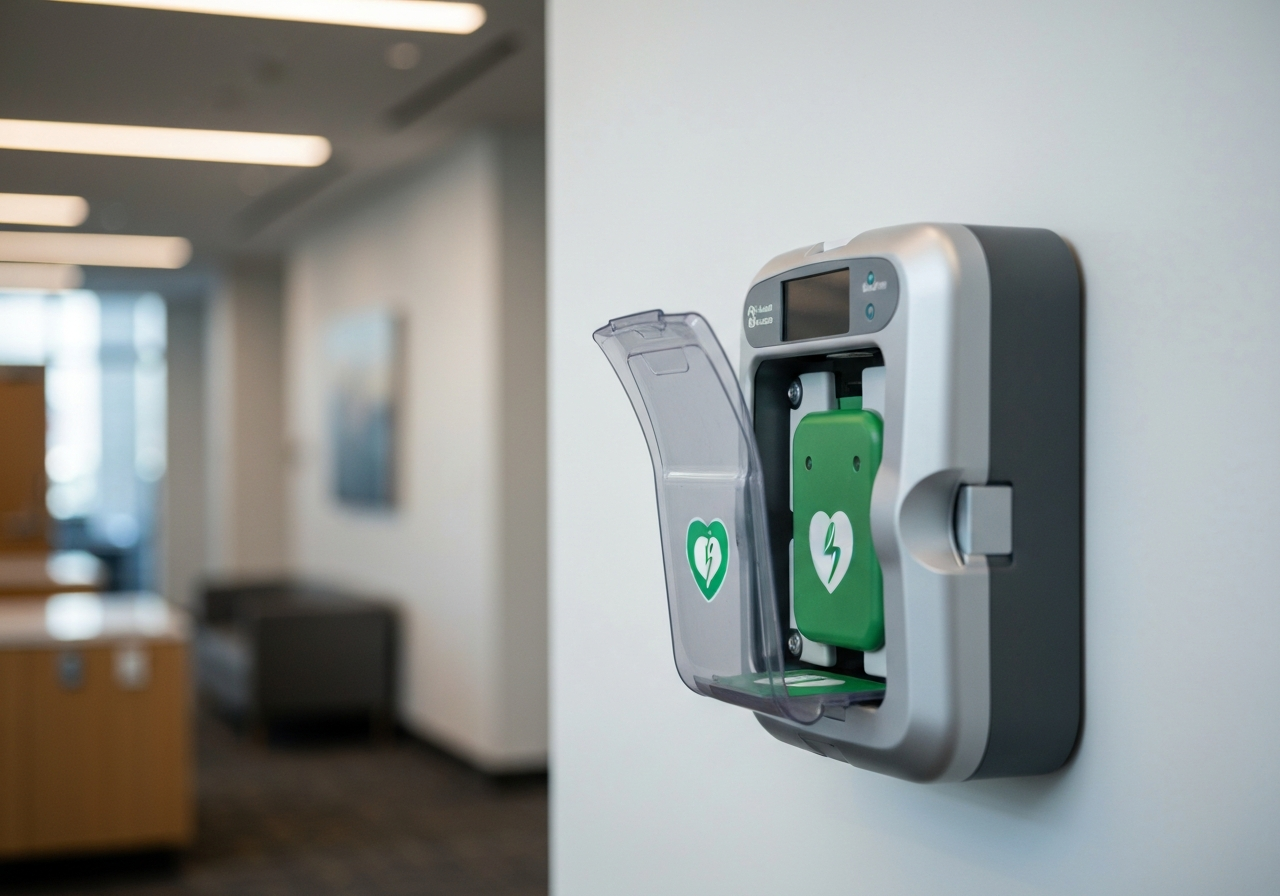
While often conflated, BLS is distinctly more comprehensive than standard Cardiopulmonary Resuscitation (CPR). CPR focuses primarily on chest compressions and rescue breaths for cardiac arrest, whereas BLS encompasses a broader range of interventions tailored for healthcare settings. As highlighted by the American Red Cross, BLS training includes rapid assessment, visual surveys, CPR and AED use for adults, children, and infants, obstructed airway management, and even considerations for opioid overdoses. It emphasizes a systematic approach to emergency response, crucial for healthcare providers who operate in complex environments. This specialized training ensures professionals are prepared for the entire emergency response, not just one isolated component.
A Professional Mandate: Why BLS Certification is Non-Negotiable
For healthcare professionals, BLS certification is rarely optional; it’s a fundamental requirement for employment and licensure across various roles and settings. States and employers often mandate specific certifications, with BLS frequently being the gold standard for clinical environments. Many hospitals and long-term care facilities explicitly require BLS for roles like Certified Nursing Assistants (CNAs), even if state regulations might seem less stringent. This reflects an industry-wide commitment to patient safety and the recognition that all healthcare personnel must be prepared to initiate life-saving care immediately. The American Heart Association (AHA) offers comprehensive BLS courses, available in full classroom or blended learning formats, catering to the diverse needs of professionals.
BLS Certification for Healthcare Professionals: Elevating Patient Safety and Outcomes
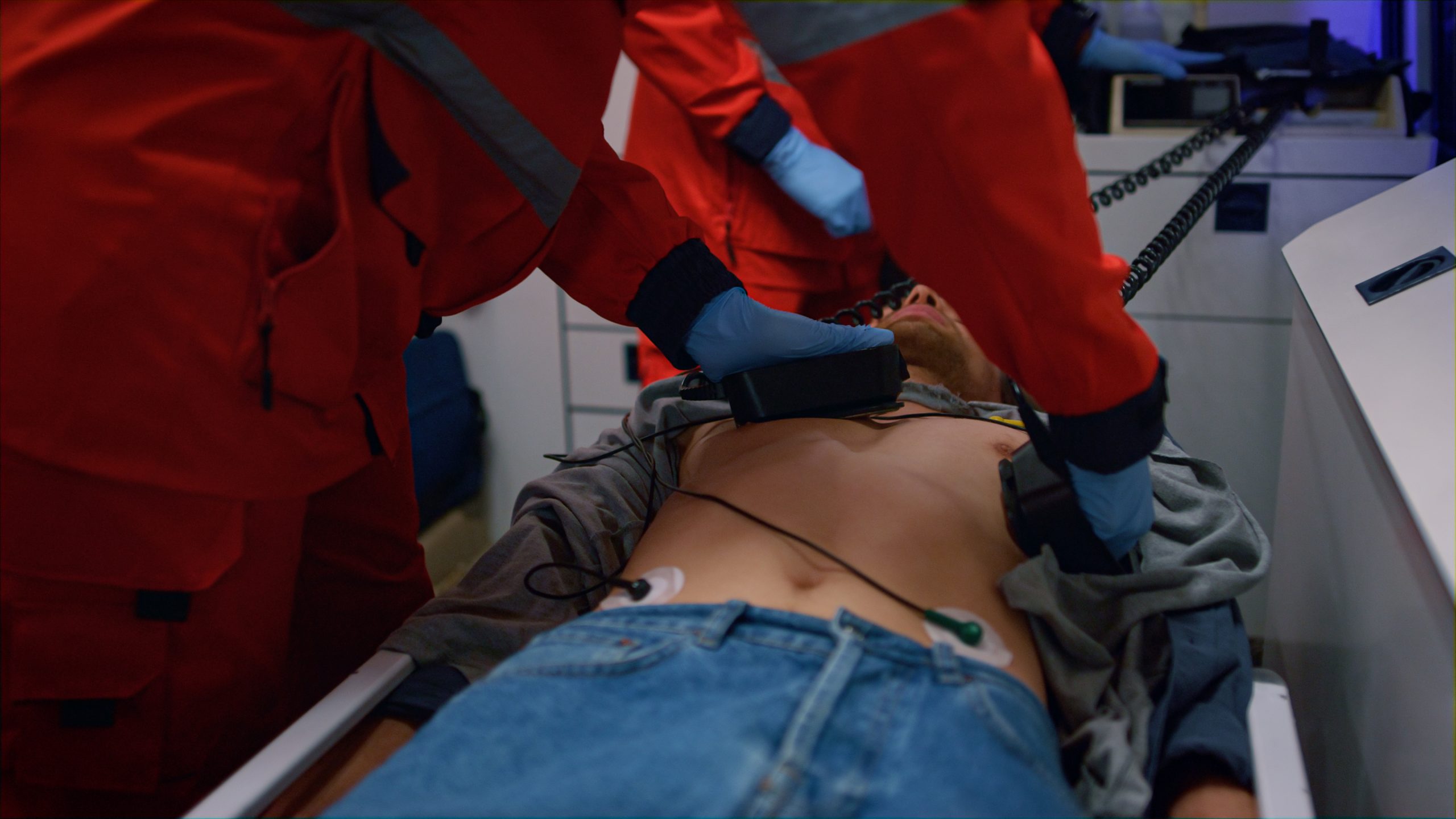
The direct impact of widespread BLS Certification for Healthcare Professionals on patient safety cannot be overstated. When a patient experiences sudden cardiac arrest or another life-threatening event, every second counts. Prompt, high-quality BLS interventions, including effective chest compressions and early defibrillation, significantly increase survival rates and improve neurological outcomes. The integration of BLS skills into daily clinical practice ensures a coordinated and swift response, minimizing the time to definitive care. This preparedness is not limited to emergency departments; from a physician’s office to a rehabilitation center, BLS-certified staff can provide the critical initial care that bridges the gap until advanced medical teams can take over. According to research, BLS training demonstrably improves skills and knowledge, and increases the willingness and confidence of rescuers to act.
Building Confidence and Reducing Risk: The Dual Benefits of BLS Training
Beyond technical proficiency, BLS training instills a profound sense of confidence in healthcare professionals. Knowing how to assess a situation, perform CPR, and use an AED under pressure empowers individuals to act decisively during crises. This confidence translates into a safer environment for patients and a more assured workforce. For businesses and healthcare organizations, investing in BLS training is a proactive measure that mitigates liability and reinforces a culture of safety. As observed in various sectors, BLS training reduces the severity of injuries and improves recovery chances in workplace incidents, benefiting both patients and staff.
Staying Ahead: Why Ongoing BLS Certification Matters
BLS certification is not a one-time achievement but a commitment to ongoing learning and skill maintenance. Certifications typically last for two years, necessitating regular recertification to ensure healthcare professionals remain current with the latest guidelines and techniques. These renewal courses are often shorter and focus on reviewing updated science-based guidelines and honing practical skills. Neglecting recertification can lead to serious consequences, including job limitations or professional liability. Resources like BLS Express renewal options make it convenient for busy professionals to keep their credentials up-to-date.
Mastering Emergencies: Hands-On Skills and Scenario-Based Learning
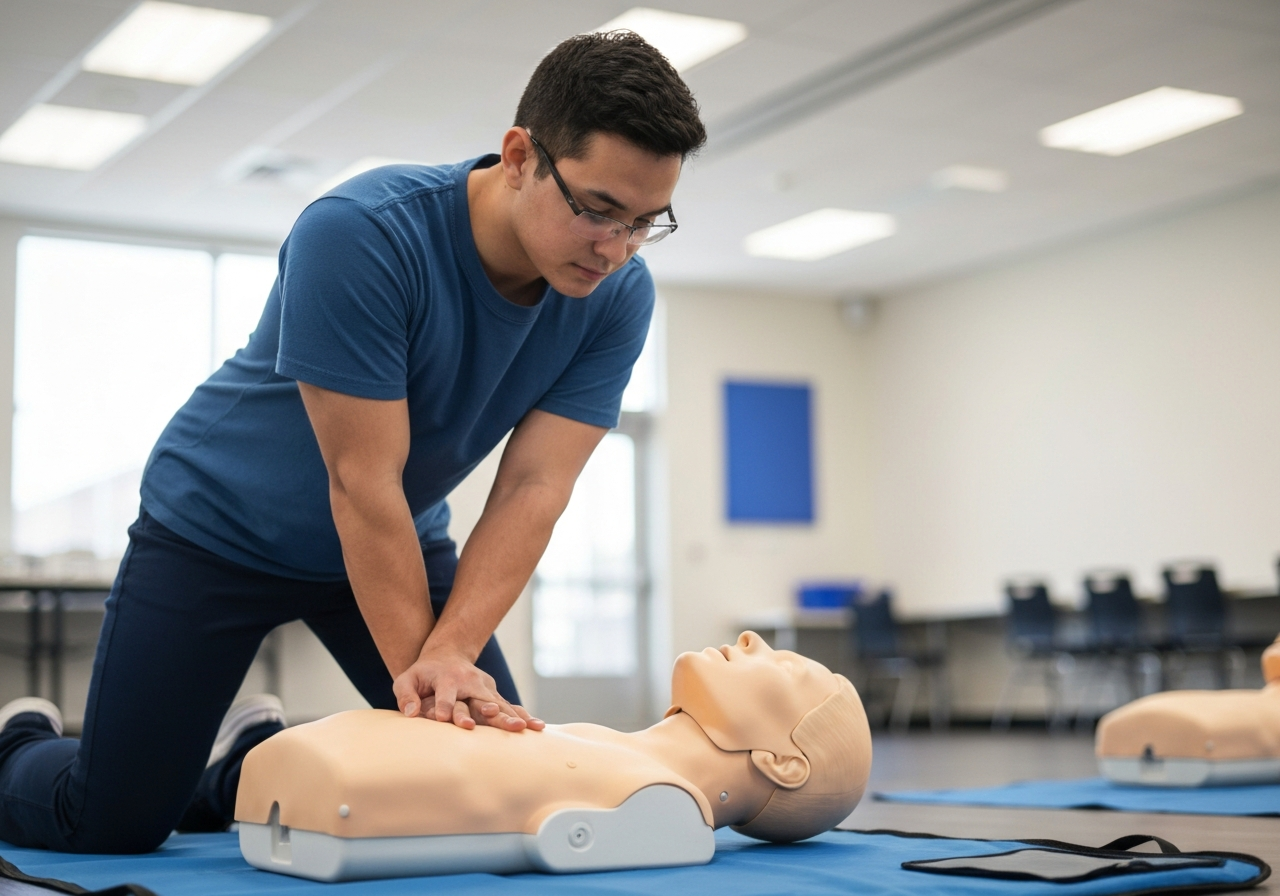
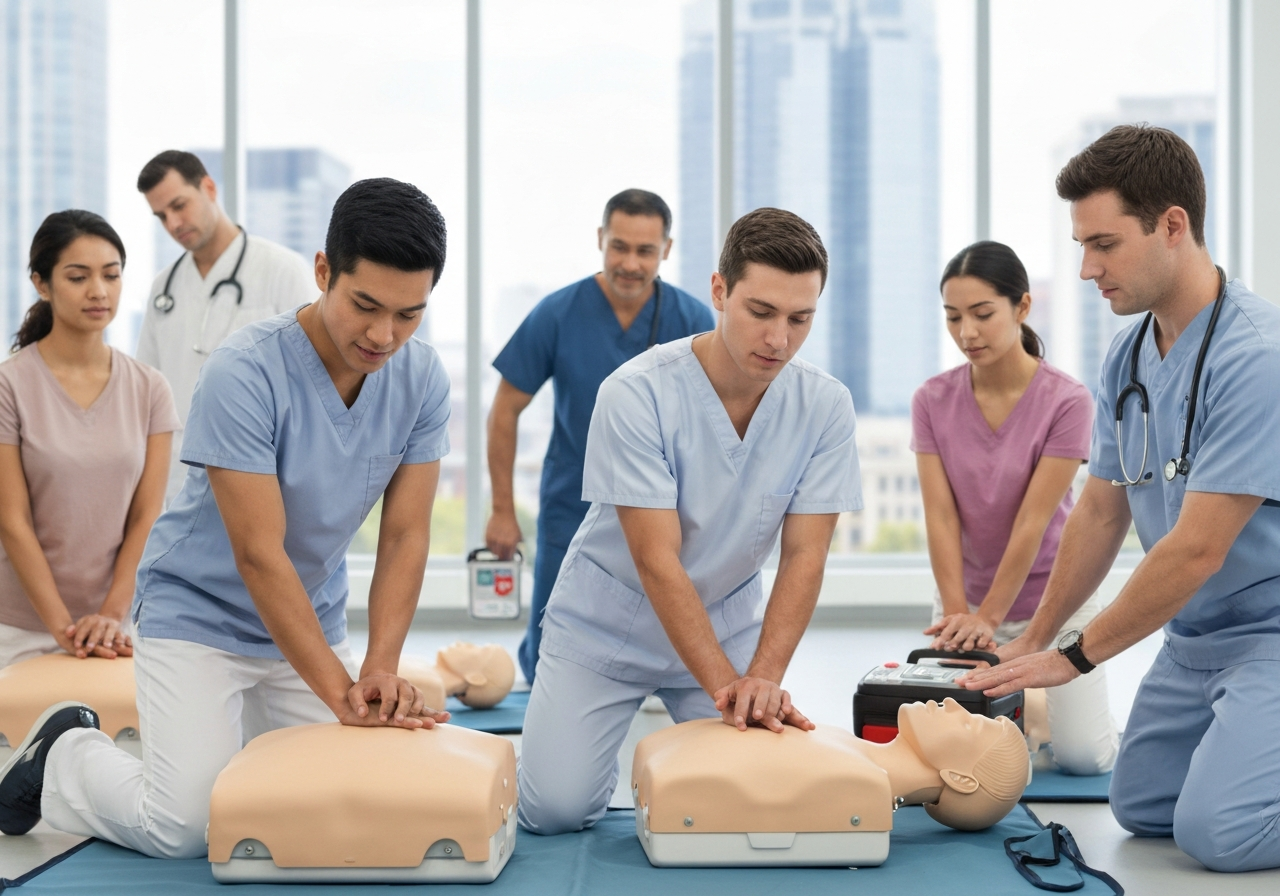
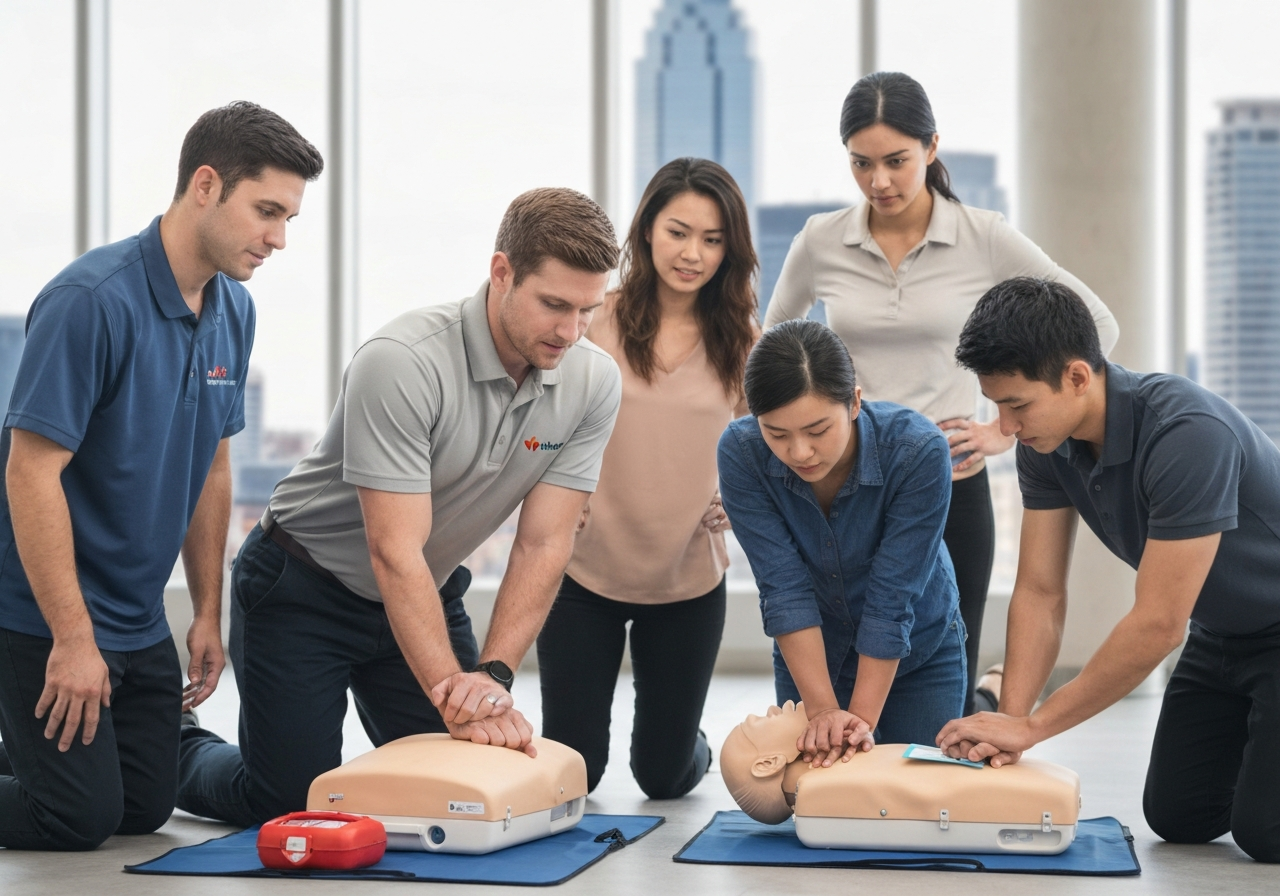
Effective BLS training relies heavily on hands-on practice and scenario-based learning. While online modules provide foundational knowledge, the ability to perform life-saving skills proficiently comes from practical application on manikins and simulated emergency situations. Courses like the AHA’s HeartCode BLS offer a blended learning approach, combining online cognitive programs with in-person skills practice and testing. This blended format is particularly effective, allowing students to learn at their own pace online and then master critical techniques through supervised practice and real-time feedback. Such training builds muscle memory and prepares professionals for the unpredictable nature of real emergencies, covering aspects like team dynamics, communication, and local protocols.
Advancing Your Career: Employability and Growth with BLS
Holding a current BLS certification significantly enhances a healthcare professional’s career prospects. It demonstrates readiness, competence, and a commitment to patient care, making candidates more attractive to employers. For entry-level positions such as Certified Nursing Assistants, Patient Care Technicians, Medical Assistants, and even Dental Assistants, BLS is often a prerequisite. It’s also a vital credential for emergency responders like EMTs and healthcare aides working in home settings. Furthermore, BLS serves as a crucial stepping stone to advanced certifications such as Advanced Cardiovascular Life Support (ACLS) and Pediatric Advanced Life Support (PALS), paving the way for higher-level roles and specialized care. Many healthcare students, including those in nursing and dental programs, find the BLS Providers Course an essential early step in their professional journey.
Beyond the Hospital Walls: BLS Skills for Community Impact
While critical for healthcare professionals, the skills gained through BLS certification extend far beyond clinical settings, impacting the wider community. Healthcare providers, with their advanced training, are often community leaders in emergency preparedness. Their ability to respond to emergencies in public spaces, during family gatherings, or at community events can make a life-saving difference. This broader impact aligns with community outreach efforts aimed at increasing overall public safety awareness and preparedness. Many organizations and businesses benefit from on-site BLS training for their staff, recognizing the value of having trained responders in any environment where emergencies could occur.
Partner with CPR Works Charlotte for Your AHA BLS Certification
For healthcare professionals seeking to obtain or renew their BLS certification, partnering with a reputable and authorized training provider is paramount. CPR Works Charlotte is an American Heart Association (AHA) authorized supplier, committed to providing exceptional, hands-on BLS training that adheres to the latest scientific guidelines. We offer flexible learning options, including traditional classroom courses and blended learning solutions, to accommodate diverse schedules and learning preferences. Our comprehensive course descriptions outline the essential skills taught, from adult and pediatric CPR to AED usage and foreign-body airway obstruction management. By choosing CPR Works Charlotte, you ensure you receive the highest quality training, empowering you with the skills and confidence to make a life-saving difference in critical moments, both within and beyond your professional environment.
Ready to take the next step in your career? Visit our Contact Us page today to learn more about our BLS certification programs.