
OSHA CPR Requirements: Your 2026 Guide to Workplace Safety & Compliance
Ensuring a safe and healthy workplace is a paramount concern for all employers. Among the many safety protocols, understanding OSHA CPR Requirements is crucial for businesses aiming to protect their employees and maintain compliance. While the Occupational Safety and Health Administration (OSHA) doesn’t issue a universal mandate for all workplaces to have CPR-trained staff, its regulations take a nuanced approach, often requiring it based on industry, potential hazards, and the proximity of emergency medical services (EMS). This guide clarifies your responsibilities and outlines how to achieve compliance in 2026.
Understanding OSHA’s Framework for First Aid and CPR in the Workplace
OSHA’s foundational principle for workplace safety is the General Duty Clause, Section 5(a)(1) of the Occupational Safety and Health Act, which requires employers to provide a workplace “free from recognized hazards that are causing or are likely to cause death or serious physical harm.” This broad clause empowers OSHA to cite employers if a lack of CPR-trained personnel constitutes a recognized hazard. Beyond this, specific standards outline explicit CPR training needs for particular industries.
A key factor in determining the necessity of on-site CPR training is the response time of external emergency services. OSHA consistently interprets “near proximity” for emergency medical care to mean that professional help must be available within 3 to 4 minutes of an emergency. This critical timeframe is vital because irreversible brain damage from oxygen deprivation can begin within 4 to 6 minutes of cardiac arrest. If professional medical assistance cannot reliably arrive within this window, employers are expected to have adequately trained first aid responders, including those proficient in CPR, on-site. This requirement ensures that immediate, life-saving care can be administered during those crucial initial minutes. OSHA provides general information on medical and first aid provisions.
It’s important to note that online-only training without a hands-on skills component is generally not considered acceptable for meeting OSHA’s basic first-aid and CPR requirements, as physical skills require practice to achieve proficiency. This interpretation is highlighted in a 2012 OSHA standard interpretation letter, emphasizing the need for practical exercises and demonstration of competence.
Key Industries with Mandatory CPR and First Aid Training Requirements
Several industries are subject to explicit OSHA standards that mandate CPR and first aid training due to inherent risks:
- Electric Power Generation, Transmission, and Distribution (29 CFR 1910.269): Employees working on or near exposed energized parts must receive CPR training. The risk of cardiac arrest from electrical contact necessitates immediate, on-site response.
- Logging Operations (29 CFR 1910.266): Given the remote and hazardous nature of logging, OSHA requires a person trained in first aid and CPR to be available at each work site. Appendix B to 1910.266 details the mandatory training program, which includes lecture, demonstration, practical exercise, and examination.
- Permit-Required Confined Spaces (29 CFR 1910.146): Rescue teams for confined space entry must be trained in hazards and appropriate rescue procedures, often including CPR and first aid due to the risks of oxygen deprivation or toxic atmospheres.
- Shipyard Employment (29 CFR 1915.87): This standard explicitly mandates an adequate number of employees trained in first aid, including CPR, at each worksite during each workshift, unless external emergency medical services can reach the worksite within five minutes of a serious injury or illness.
- Construction Sites (29 CFR 1926.50): While not a universal CPR mandate, the Medical Services and First Aid standard for construction requires first aid services and provisions when an infirmary, clinic, or hospital is not in “near proximity.” On large or remote construction sites, this effectively necessitates CPR-trained personnel.
These specific standards underscore OSHA’s recognition that certain work environments pose higher risks, demanding immediate life-saving capabilities from employees.
The 3-4 Minute Window: Interpreting OSHA’s Medical Services Standard
The core of OSHA’s general industry first aid and medical services requirements lies in 29 CFR 1910.151, which states, “In the absence of an infirmary, clinic, or hospital in near proximity to the workplace which is used for the treatment of all injured employees, a person or persons shall be adequately trained to render first aid. Adequate first aid supplies shall be readily available.”
The interpretation of “near proximity” is critical here. OSHA has consistently defined this as meaning emergency care must be available within no more than 3-4 minutes from the workplace for serious injuries involving stopped breathing, cardiac arrest, or uncontrolled bleeding. For less severe injuries, a response time of up to 15 minutes may be deemed reasonable, such as in office environments. This emphasis on rapid response directly implies the need for on-site CPR training if external EMS cannot meet these critical timeframes. A 2007 interpretation letter further clarifies these timeframes and the situations in which a trained first aid provider is mandatory.
Employers must conduct a thorough workplace assessment to determine the likelihood of serious injuries and the actual response time of local emergency services. This assessment should guide the number of employees trained and the scope of first aid supplies needed.
Achieving OSHA Compliance: Choosing AHA-Approved CPR & AED Training
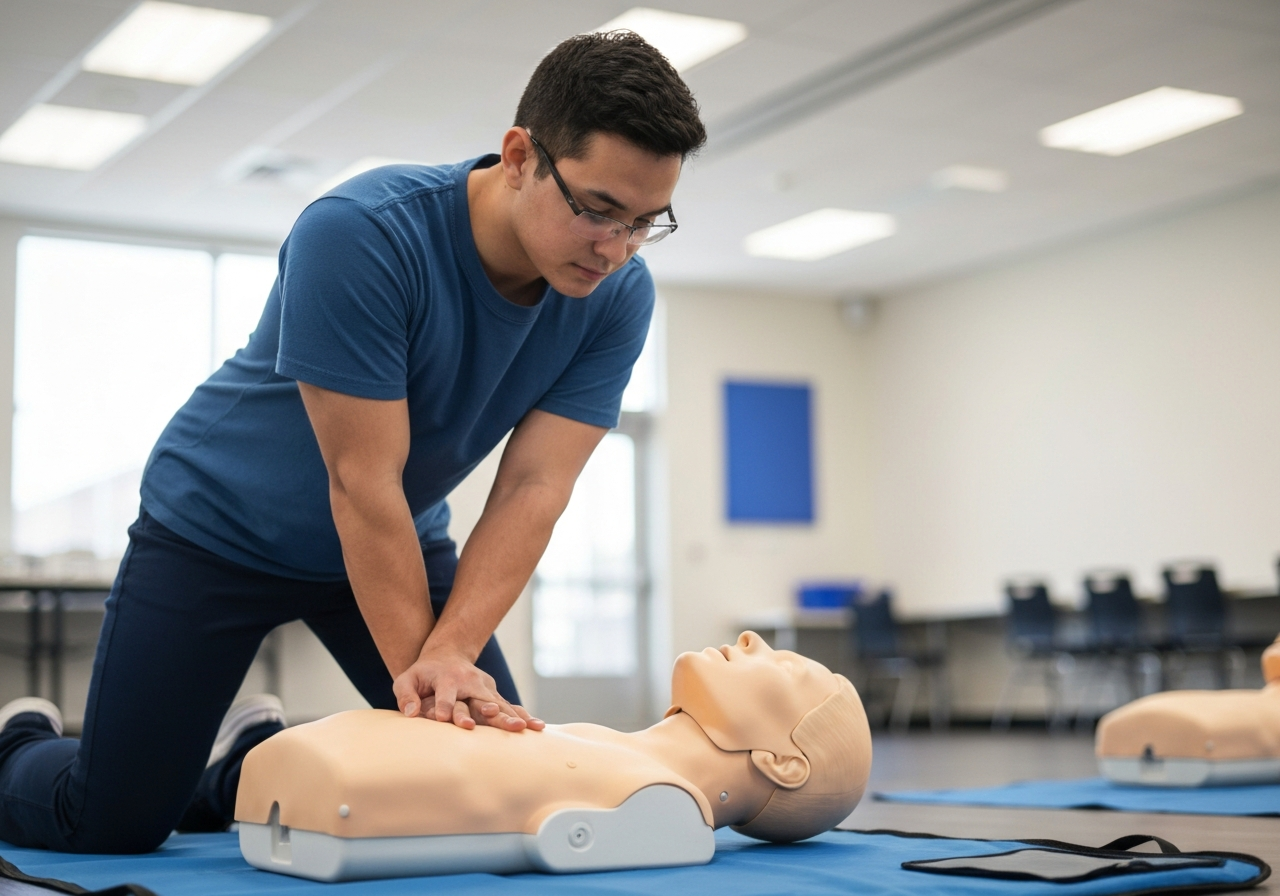
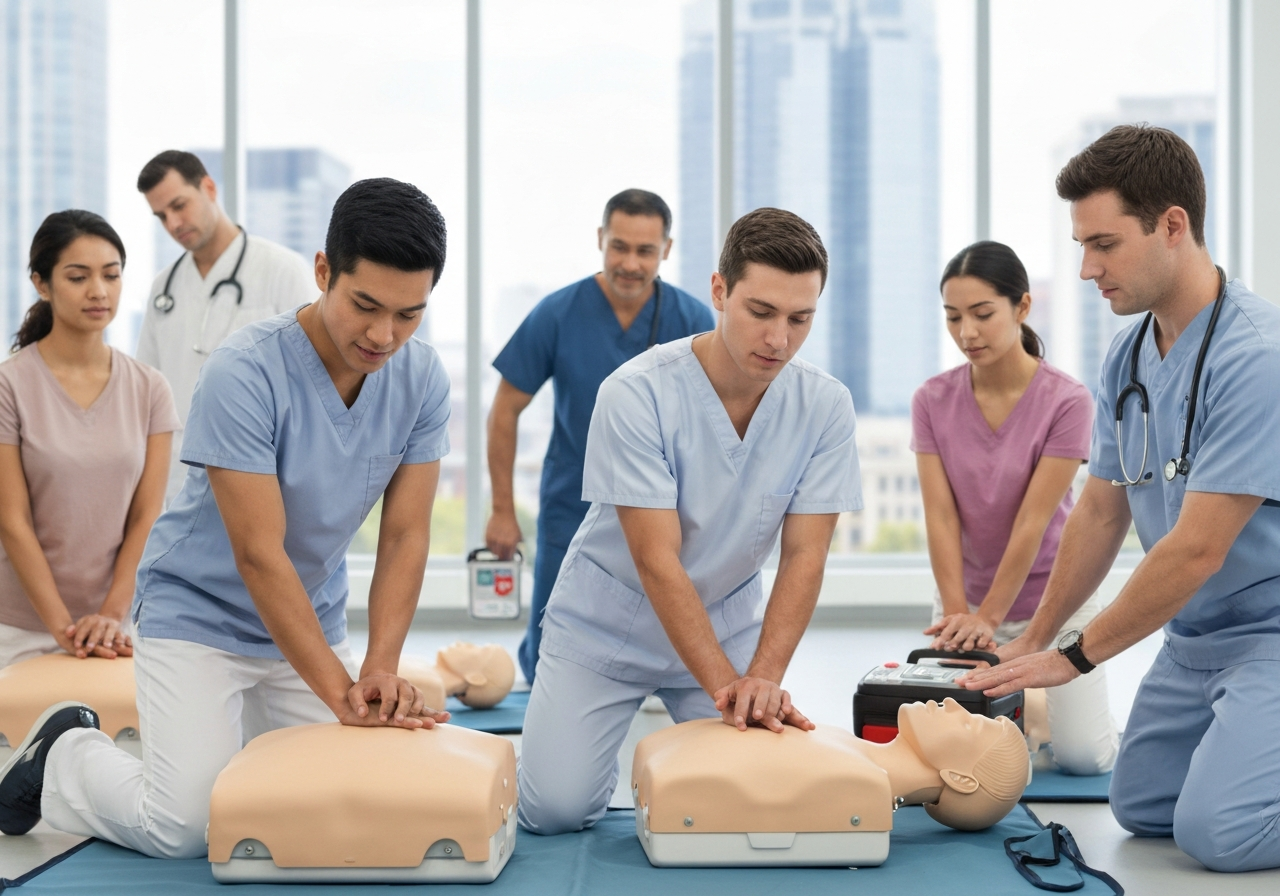
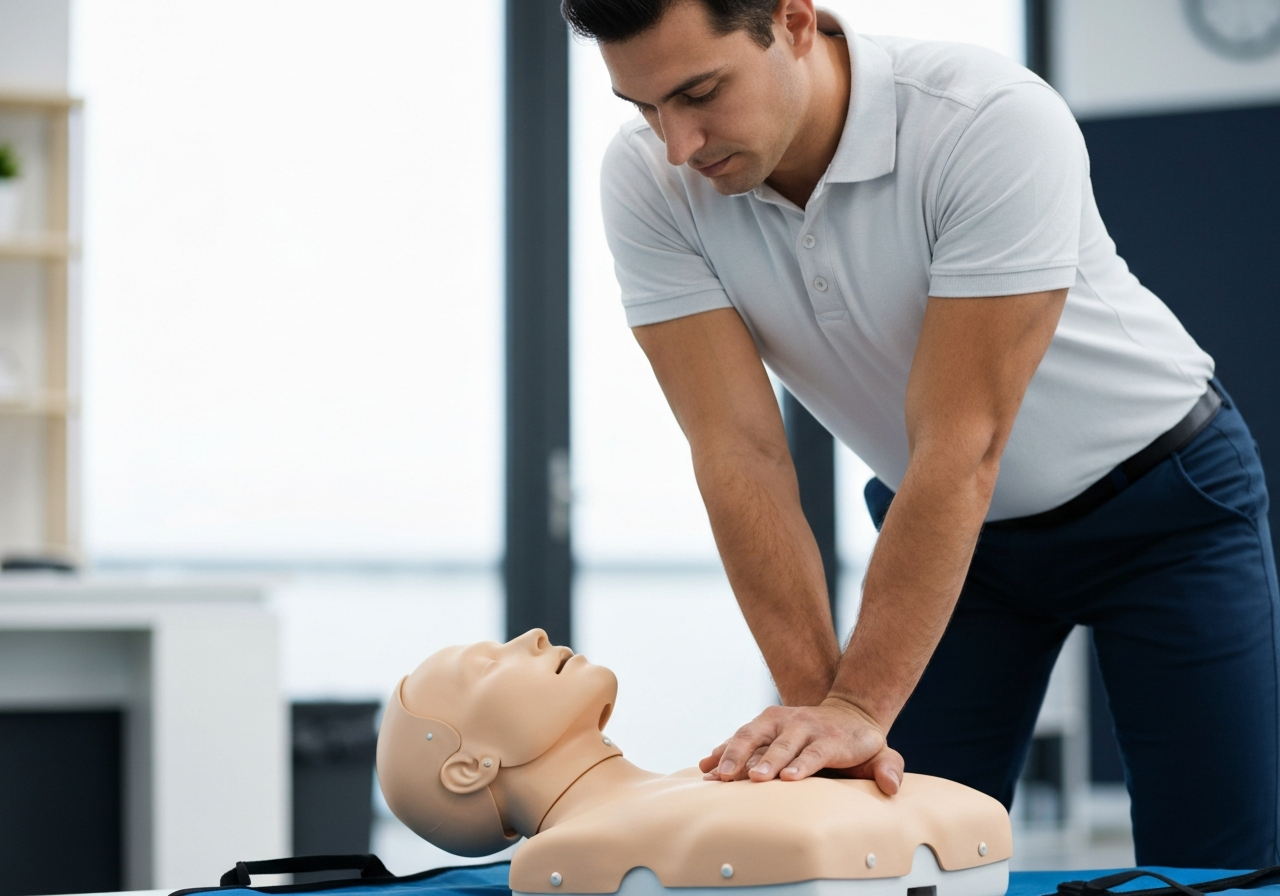
To meet OSHA’s requirements for CPR and first aid training, employers should select programs that adhere to nationally recognized guidelines. Organizations like the American Heart Association (AHA) and American Red Cross provide curricula based on established medical science and emergency response protocols. Crucially, as confirmed by OSHA, training must include hands-on practice with manikins and feedback from qualified instructors; online-only courses without this practical component are insufficient.
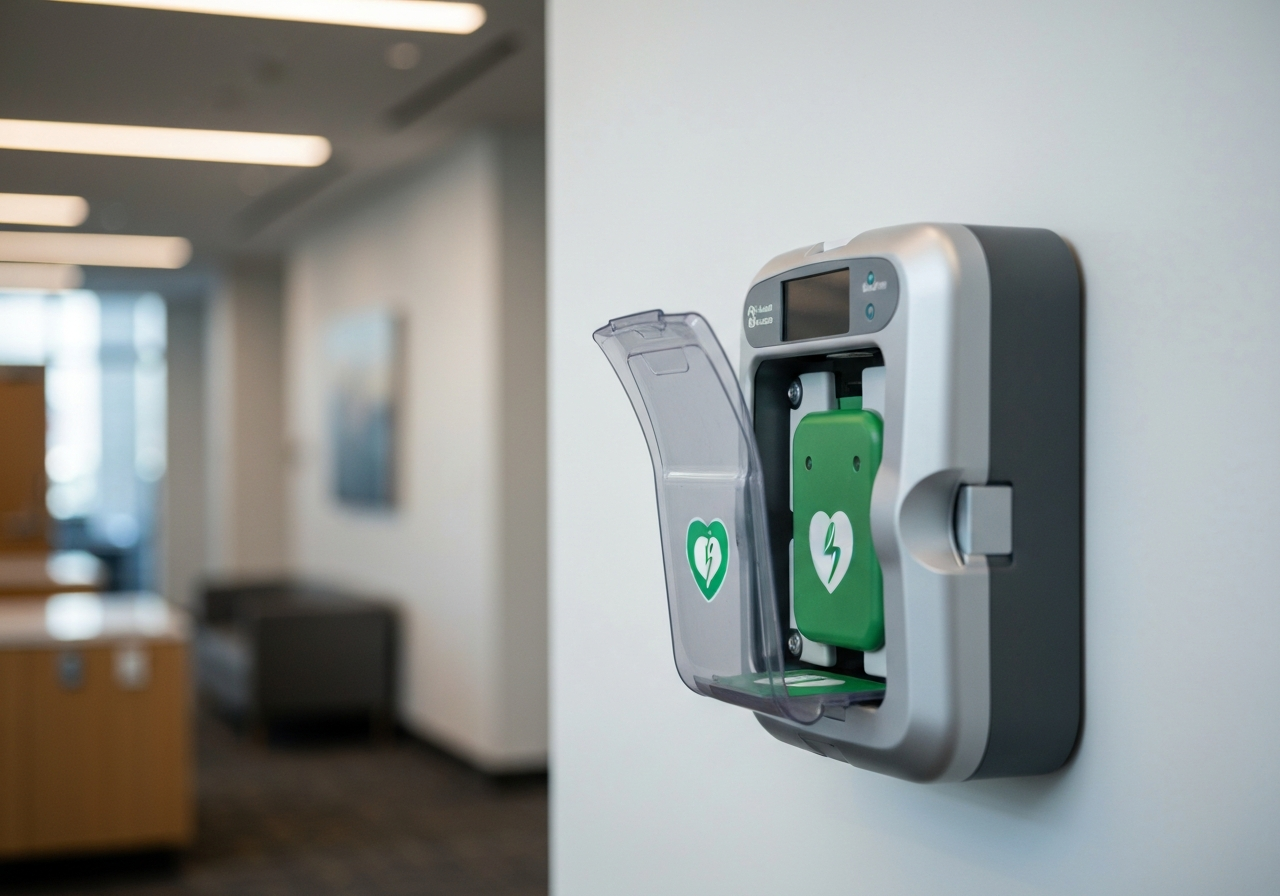
The American Heart Association, in alliance with OSHA, actively promotes workplace safety and health by offering evidence-based resuscitation education. Their Heartsaver courses are designed for individuals needing certification for job or regulatory requirements, covering CPR, AED use, and first aid. Many modern CPR courses also incorporate Automated External Defibrillator (AED) training, which is vital if your workplace has an AED on site. AEDs significantly increase survival rates for sudden cardiac arrest. For more information on this collaboration, visit the OSHA and AHA alliance page.
Maintaining current certifications is also key. Most CPR certifications expire after two years, and employers are responsible for tracking these dates and ensuring employees receive refresher training before their credentials lapse. Comprehensive record-keeping of training dates, certifications, and expiration dates is recommended to demonstrate continuous compliance during inspections.
Beyond the Mandate: The Business Value of a CPR-Ready Workforce
While compliance with OSHA CPR Requirements is a legal necessity for many, the value of a CPR-ready workforce extends far beyond regulatory checkboxes. Investing in CPR training fosters a robust safety culture and offers tangible business benefits:
- Reduced Liability: Properly trained and certified employees are better equipped to respond effectively to emergencies, reducing the risk of complications and potential legal liabilities for the employer.
- Enhanced Employee Confidence and Morale: Employees who feel empowered with life-saving skills report higher job satisfaction and a greater sense of security in their workplace. This investment signals that an employer genuinely cares about their well-being.
- Improved Response Readiness: A workforce trained in CPR, AED use, and first aid creates an immediate line of defense. In critical moments, quick action can prevent severe injury or save a life before professional medical help arrives.
- Positive Workplace Culture: A commitment to comprehensive safety training, including CPR, contributes to a positive and proactive safety culture, encouraging employees to be more aware of hazards and prepared for emergencies.
Building a Resilient Workplace: Your Action Plan with CPR Works Charlotte
Implementing an effective workplace safety program that addresses OSHA CPR requirements involves a strategic approach. Start by conducting a thorough risk assessment of your specific workplace. Consider potential hazards, the size and layout of your facility, and the realistic response times of local emergency services. This assessment will help you determine the appropriate number of employees who need to be trained and the type of training required.
CPR Works Charlotte specializes in providing comprehensive CPR, AED, and First Aid training tailored to businesses and organizations. Our courses adhere to American Heart Association guidelines, ensuring your employees receive expert instruction and hands-on practice necessary for real-world emergencies. We offer on-site, blended, and traditional learning options to fit your unique operational needs, making it convenient to train your team and maintain certification.
Developing a sustainable training schedule is vital for continuous compliance. Staggering training dates for different groups of employees helps spread out costs and ensures a consistent presence of certified responders. Partnering with a dedicated training provider like CPR Works Charlotte simplifies this process, offering seamless recertification reminders and program management.
Invest in Life-Saving Skills: Partner with CPR Works Charlotte Today
Prioritizing workplace safety by meeting or exceeding OSHA CPR Requirements is an investment in your employees and your business. By equipping your team with essential life-saving skills, you create a safer, more confident, and resilient work environment. CPR Works Charlotte is dedicated to empowering businesses and individuals in the Charlotte, Gastonia, and Fort Mill areas with the highest quality CPR, AED, and First Aid certifications.
Don’t wait for an emergency to realize the importance of preparedness. Take the proactive step to assess your workplace needs and ensure your team is ready to act decisively when it matters most. Investing in these critical skills not only helps you achieve OSHA compliance but also demonstrates a profound commitment to the well-being of your entire workforce.
Ready to ensure your workplace meets OSHA CPR requirements and beyond? Contact CPR Works Charlotte today to discuss your training needs and empower your team with life-saving skills.