
The Vital Role of Daycare & Childcare Providers in Emergency Preparedness
Daycare and childcare providers hold an immense responsibility: ensuring the safety and well-being of the children in their care. This commitment extends beyond daily routines to encompass thorough emergency preparedness. In a setting where children of various ages are present, the ability to respond swiftly and effectively during a medical crisis can mean the difference between life and death. Understanding and meeting the specific CPR Certification Requirements for Daycare & Childcare is not merely a regulatory checkbox; it is a foundational pillar of trust for parents and a critical safeguard for every child.
Understanding CPR Certification Requirements for Daycare & Childcare
While there isn’t a single national standard dictating CPR certification for all childcare providers, every state implements strict requirements for facilities to maintain their licenses. These regulations vary significantly from state to state, making it imperative for providers to research and adhere to their local guidelines. Most states agree that to be licensed as a daycare or childcare facility, employees must possess appropriate CPR and First Aid certifications. This ensures that trained personnel are always available to act in an emergency, from minor injuries to life-threatening events like cardiac arrest or choking.
Why Specific CPR, First Aid, and AED Training is Critical for Childcare Settings
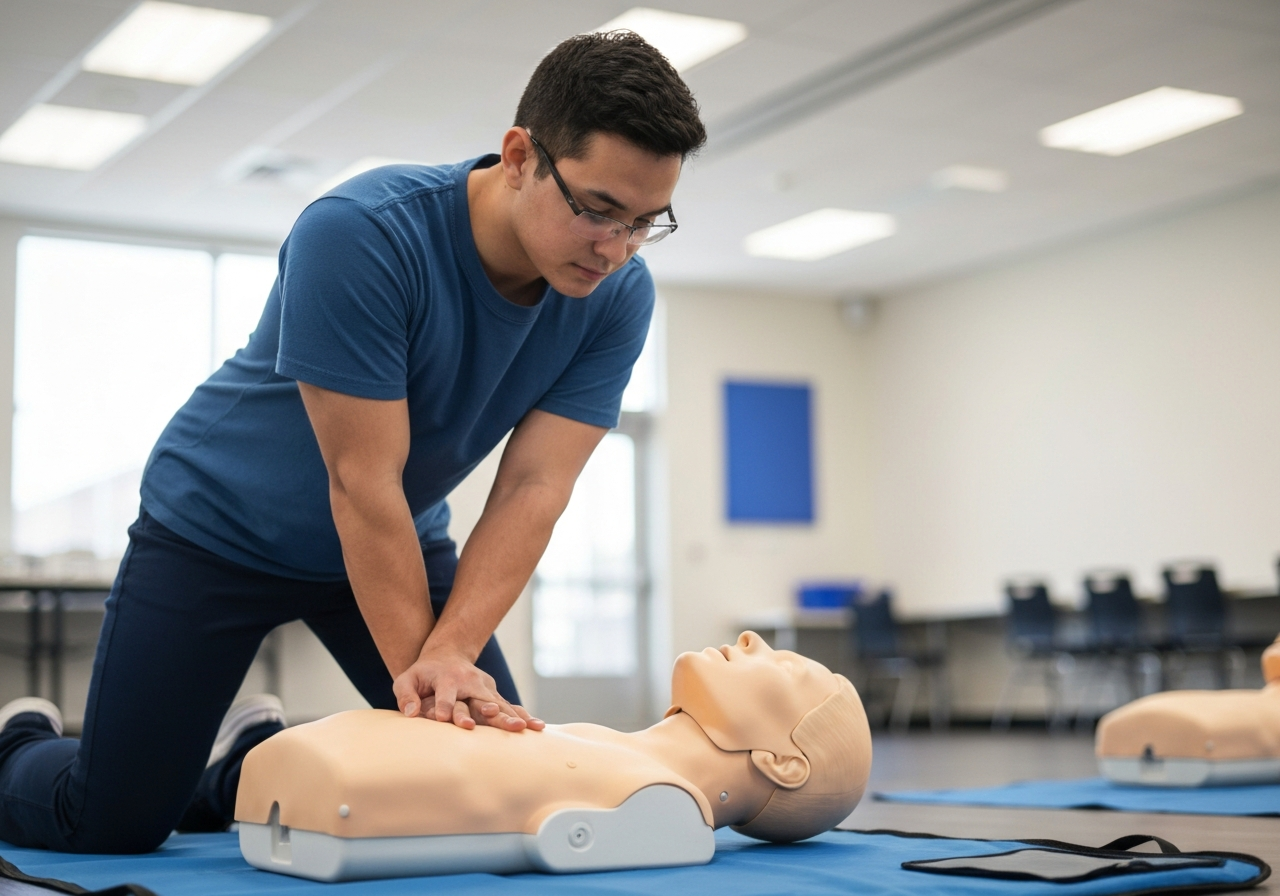
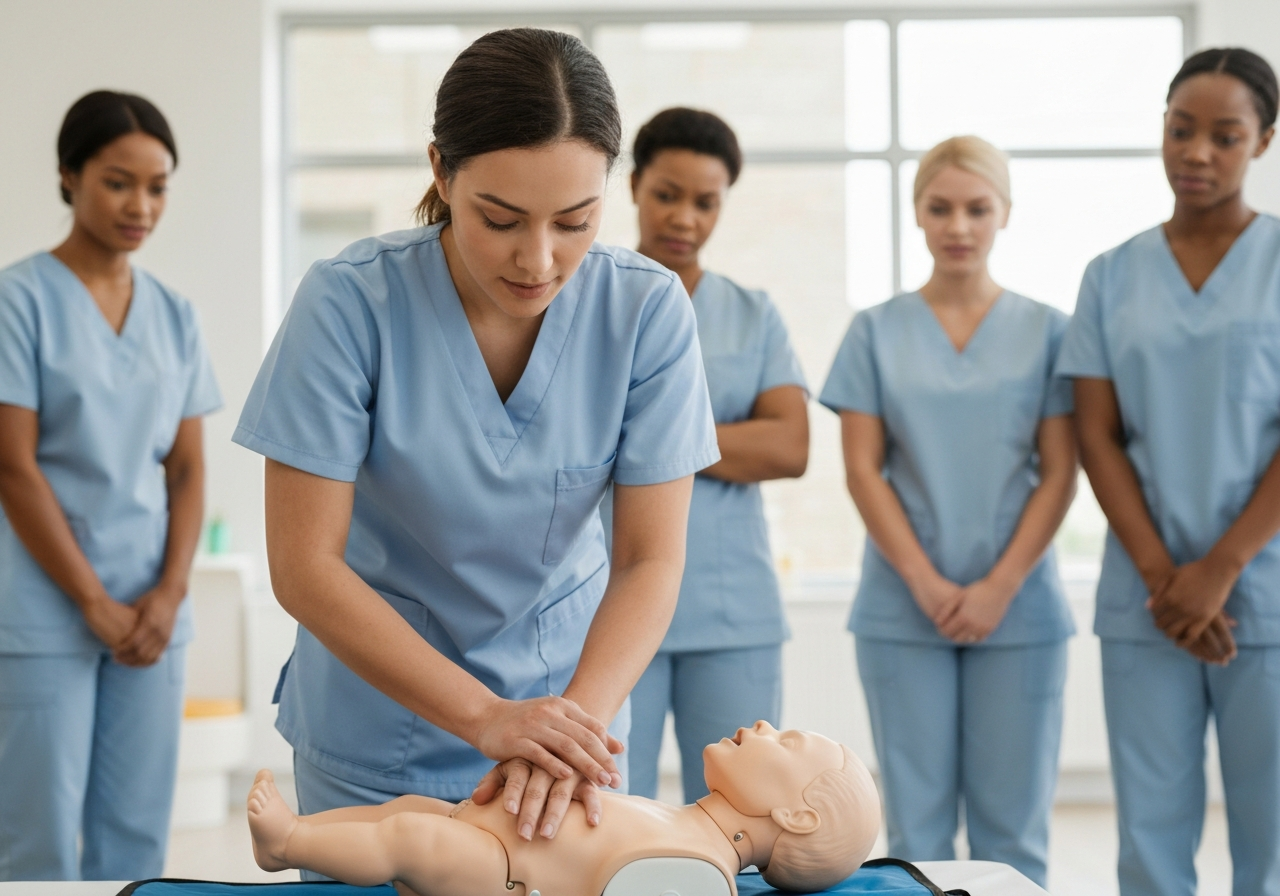
Children, especially infants and toddlers, are particularly vulnerable to certain medical emergencies that require specialized care. Unlike adults, children often experience cardiac arrest secondary to respiratory issues, making ventilations as crucial as chest compressions. Specialized training in infant, child, and adult CPR, coupled with comprehensive First Aid and Automated External Defibrillator (AED) usage, is therefore paramount. This training equips providers with the knowledge to:
- Recognize the subtle signs of distress in children.
- Administer age-appropriate CPR techniques.
- Manage choking incidents specific to infants and children.
- Provide immediate first aid for common childhood injuries like burns, cuts, and allergic reactions.
- Operate an AED, which can be life-saving in cases of sudden cardiac arrest.
The ability to act quickly and confidently before emergency medical services arrive significantly improves outcomes for children in critical situations.
Navigating State-Specific CPR and First Aid Regulations for Daycare Facilities
Given the state-by-state variability, daycare and childcare facilities must diligently research and comply with their specific local licensing requirements. Some states, like California, have specific agencies such as the California Emergency Medical Services Authority (EMSA), that oversee and provide guidelines for childcare providers regarding health and safety training. These regulations often specify the type of training required (e.g., pediatric CPR and first aid), the frequency of renewal, and the approved training providers. It is crucial to consult your state’s child care licensing office or relevant regulatory body to understand the exact rules where your facility operates.
Essential Certifications: Infant, Child, and Adult CPR, First Aid, and AED Usage
A comprehensive safety plan for any childcare facility includes certifications that cover a broad spectrum of emergencies. Key certifications and skills for childcare professionals should include:
- Infant CPR: Techniques specifically tailored for newborns up to one year old, focusing on gentle compressions and breaths.
- Child CPR: Protocols for children aged one year to puberty, emphasizing appropriate hand placement and compression depth.
- Adult CPR: Although primarily focused on children, staff should also be certified in adult CPR to assist older children, parents, or other staff members.
- First Aid: Training to manage a wide range of injuries and medical emergencies, from minor cuts and scrapes to severe allergic reactions, seizures, and bleeding.
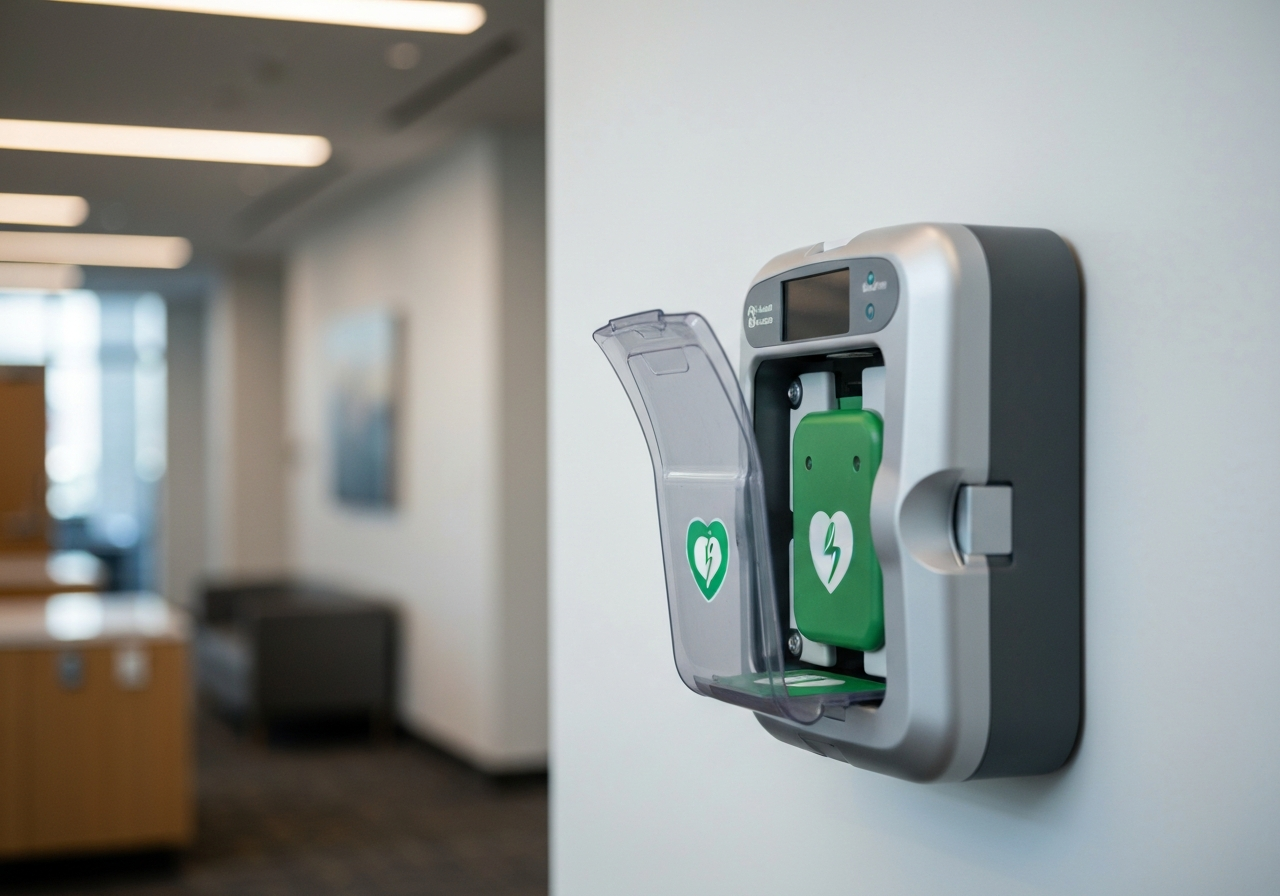
- AED Usage: Proper deployment of an Automated External Defibrillator, a device that can restore normal heart rhythm in sudden cardiac arrest. Understanding when and how to use an AED on children is a vital component. Many childcare facilities choose to purchase AEDs for their premises.
These certifications ensure that providers are prepared for any age-specific emergency that may arise.
Achieving American Heart Association (AHA) Certification & Ensuring OSHA Compliance
For childcare providers, obtaining certification from a nationally recognized and respected organization like the American Heart Association (AHA) offers a benchmark of quality and credibility. AHA certifications are widely accepted and trusted, demonstrating a commitment to the highest standards of emergency care. Furthermore, adhering to AHA guidelines often aligns with Occupational Safety and Health Administration (OSHA) compliance, particularly regarding workplace safety and emergency response. Many of CPR Works Charlotte’s training courses, including BLS, Heartsaver CPR/AED, and First Aid, are based on AHA guidelines, ensuring that participants receive the most current and effective life-saving techniques.
Flexible Training Solutions: On-Site, Group, and Blended Learning Options
Recognizing the demanding schedules of daycare and childcare professionals, flexible training solutions are essential. CPR Works Charlotte offers various options to accommodate diverse needs:
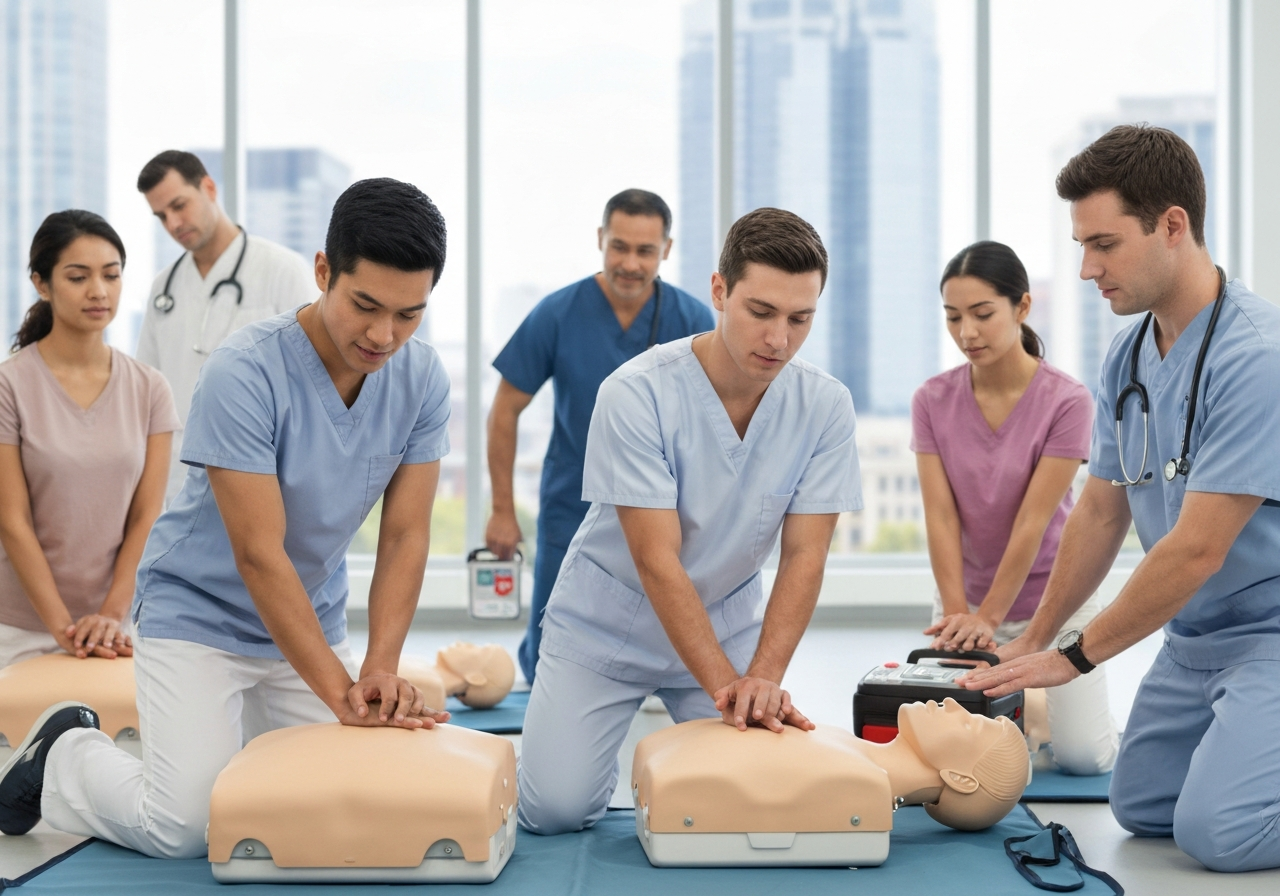
- On-Site Training: We provide on-site CPR, First Aid, and AED training directly at your facility. This allows for customized content tailored to your group’s specific requirements and environment, fostering team cohesion and confidence in a familiar setting.
- Group Classes: Scheduled group classes offer a collaborative learning environment where multiple staff members can train together.
- Blended Learning: Our blended learning options combine the convenience of online coursework with essential in-person skills check-offs. This flexible approach allows individuals to complete the cognitive portion of the training at their own pace, followed by a hands-on session with a certified instructor to master practical skills.
These adaptable training formats ensure that quality certification is accessible without disrupting daily operations.
Empowering Your Team: Next Steps for Daycare & Childcare Safety Training
Investing in robust CPR Certification Requirements for Daycare & Childcare training is an investment in the safety and future of the children you serve, and in the confidence and competence of your staff. By staying informed about state-specific regulations, choosing comprehensive training that includes infant, child, and adult CPR, First Aid, and AED usage, and opting for flexible learning solutions, childcare facilities can build an unparalleled safety culture. Ensuring your team is prepared for any emergency not only meets regulatory demands but also provides invaluable peace of mind for families, knowing their children are in capable, life-saving hands. Reviewing our frequently asked questions can help clarify common concerns about certifications and training processes.
Ready to empower your childcare team with life-saving skills? Visit our Contact Us page to learn more about our specialized CPR, First Aid, and AED training for daycare and childcare providers.