Introduction: The Critical Need for Immediate Emergency Response
Sudden cardiac arrest (SCA) is a devastating medical emergency that can strike anyone, anywhere, at any time, often without warning. Annually, hundreds of thousands of individuals in the United States experience SCA outside of a hospital setting, with tragically low survival rates if immediate action is not taken. Every minute without intervention significantly reduces the chance of survival. This underscores a critical need for widespread emergency preparedness within our communities and workplaces. When a person’s heart abruptly stops beating, prompt cardiopulmonary resuscitation (CPR) combined with the use of an Automated External Defibrillator (AED) can be the difference between life and death. Indeed, early CPR and early defibrillation have been shown to be effective in improving survival with good neurological outcomes. This is why the availability of and readiness to use Public Access AEDs Save Lives, empowering ordinary citizens to become immediate life-savers.
Public Access AEDs Save Lives: Understanding Their Impact
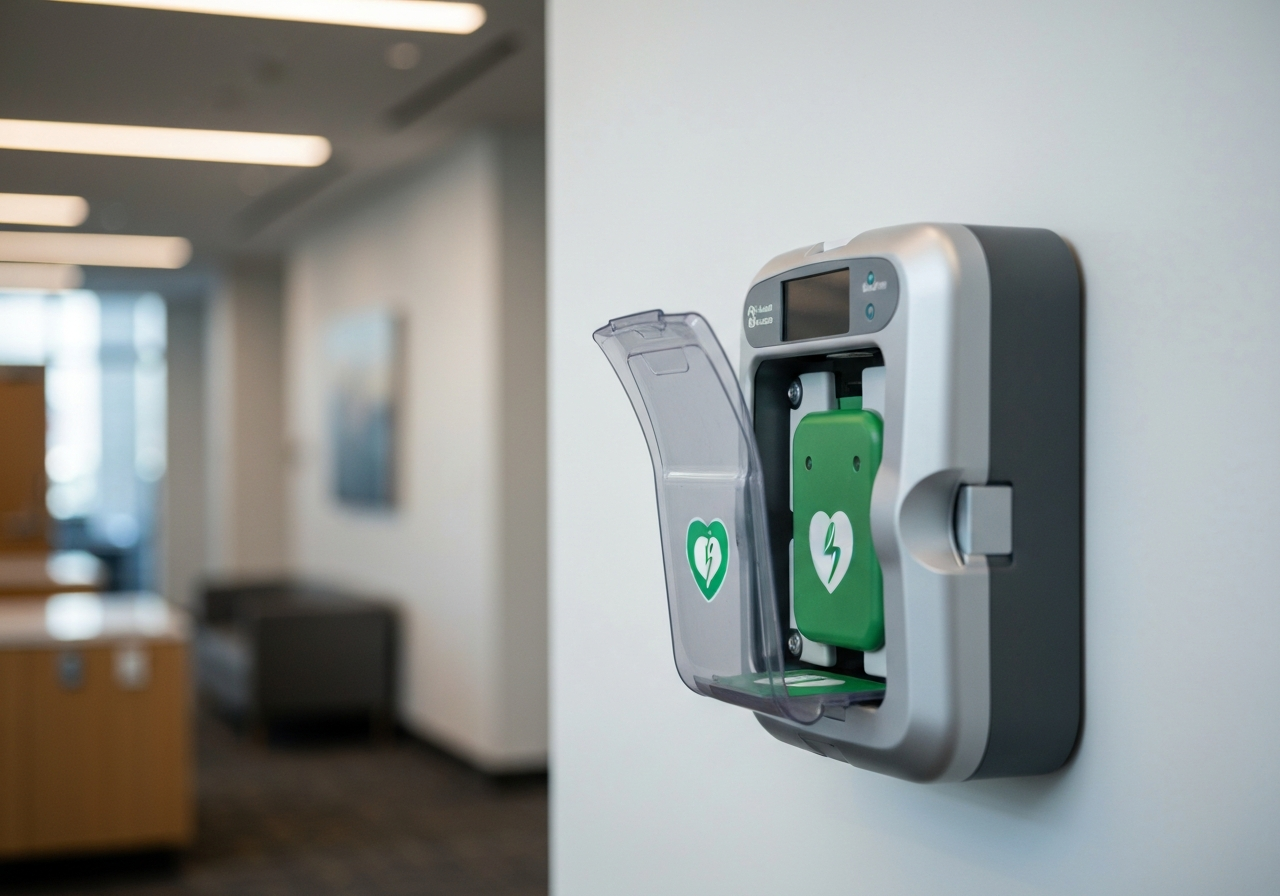
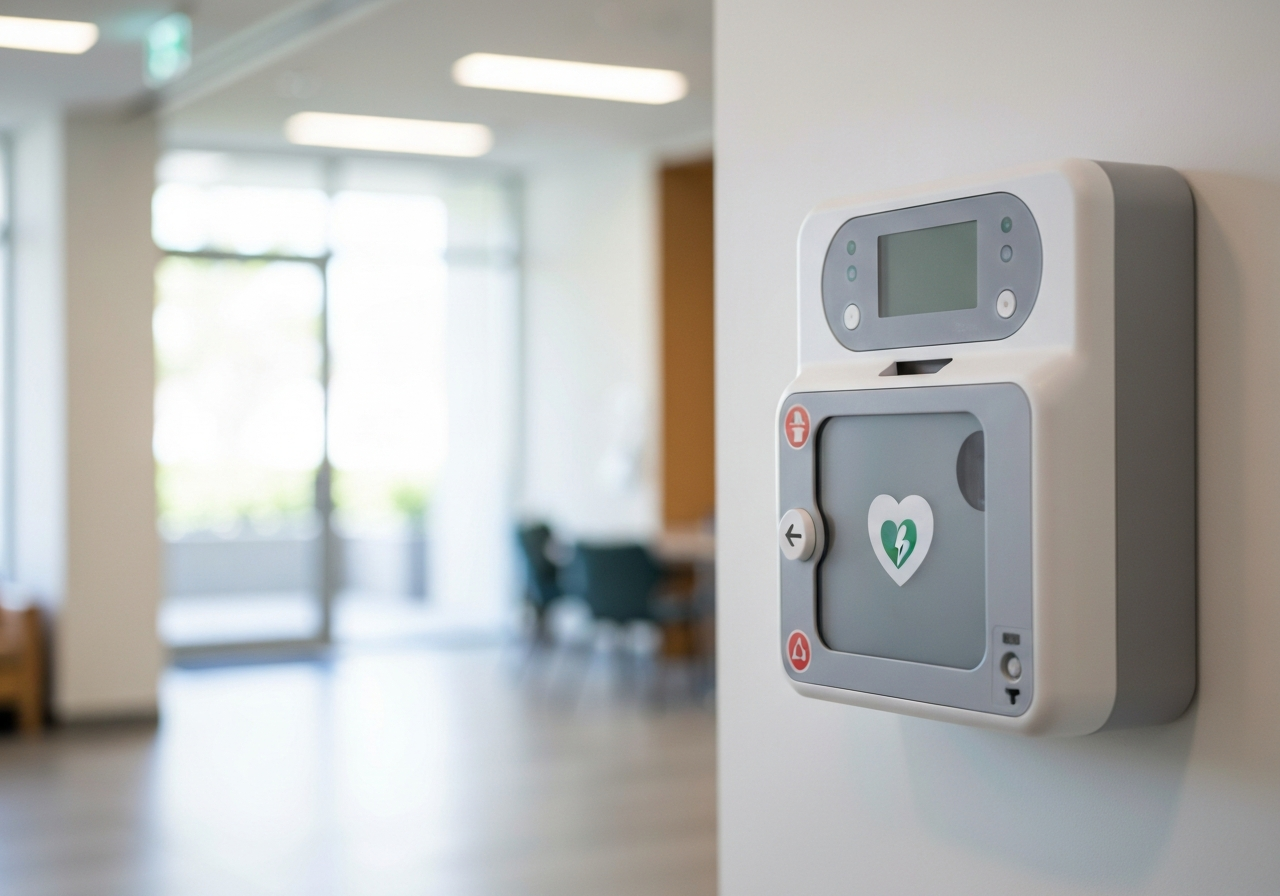
The widespread deployment of Automated External Defibrillators in public places has revolutionized emergency response to sudden cardiac arrest. These devices are designed for use by laypersons and deliver a life-saving electrical shock to restore a normal heart rhythm. Studies confirm the profound impact of these accessible devices; bystander use of an AED can nearly double a victim’s odds of survival. This vital intervention bridges the critical gap between collapse and the arrival of emergency medical services (EMS), which can often take seven minutes or longer in many communities, drastically reducing survival chances with each passing minute. The American Heart Association emphasizes that immediate CPR and AED use can double or even triple survival rates. This compelling evidence highlights that equipping communities with Public Access AEDs Save Lives and dramatically improves outcomes for SCA victims.
The Time-Sensitive Nature of Cardiac Arrest
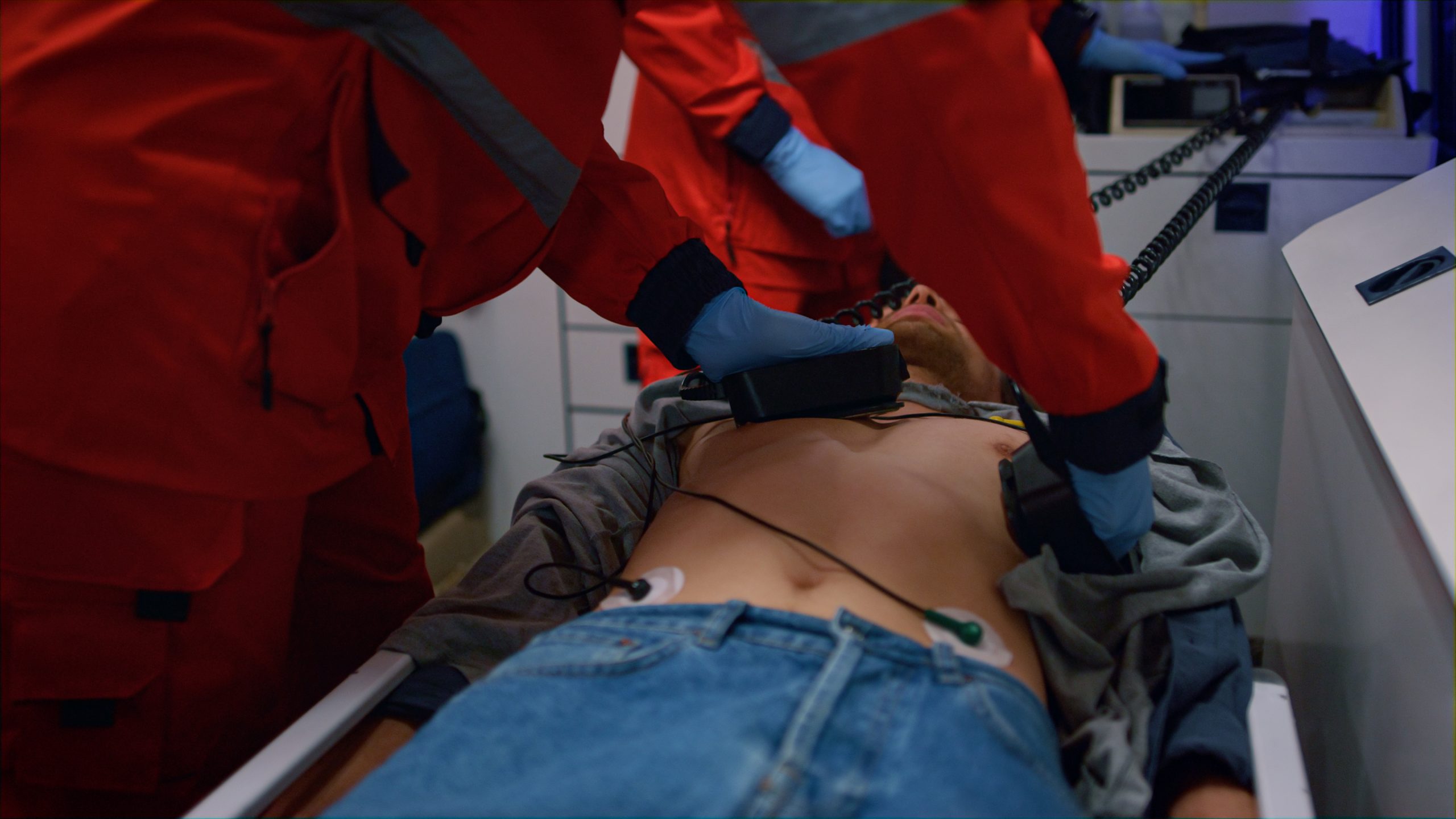
When cardiac arrest occurs, the heart’s electrical activity becomes chaotic, preventing it from pumping blood effectively. Without blood flow to the brain and other vital organs, irreversible damage can begin within minutes.
- Survival rates decrease by approximately 7-10% for every minute defibrillation is delayed.
- EMS response times, while critical, may not always be fast enough to deliver the necessary shock within this crucial window.
This time-sensitive reality underscores the importance of having AEDs readily available and individuals trained to use them in public locations such as schools, workplaces, fitness centers, and airports.
How AEDs Work: A Vital Link in the Chain of Survival
Automated External Defibrillators are remarkably user-friendly and play a pivotal role in the “Chain of Survival,” a sequence of actions that maximizes the chances of survival from SCA. The Chain of Survival includes:
- Immediate recognition of cardiac arrest and activation of the emergency response system (calling 911).
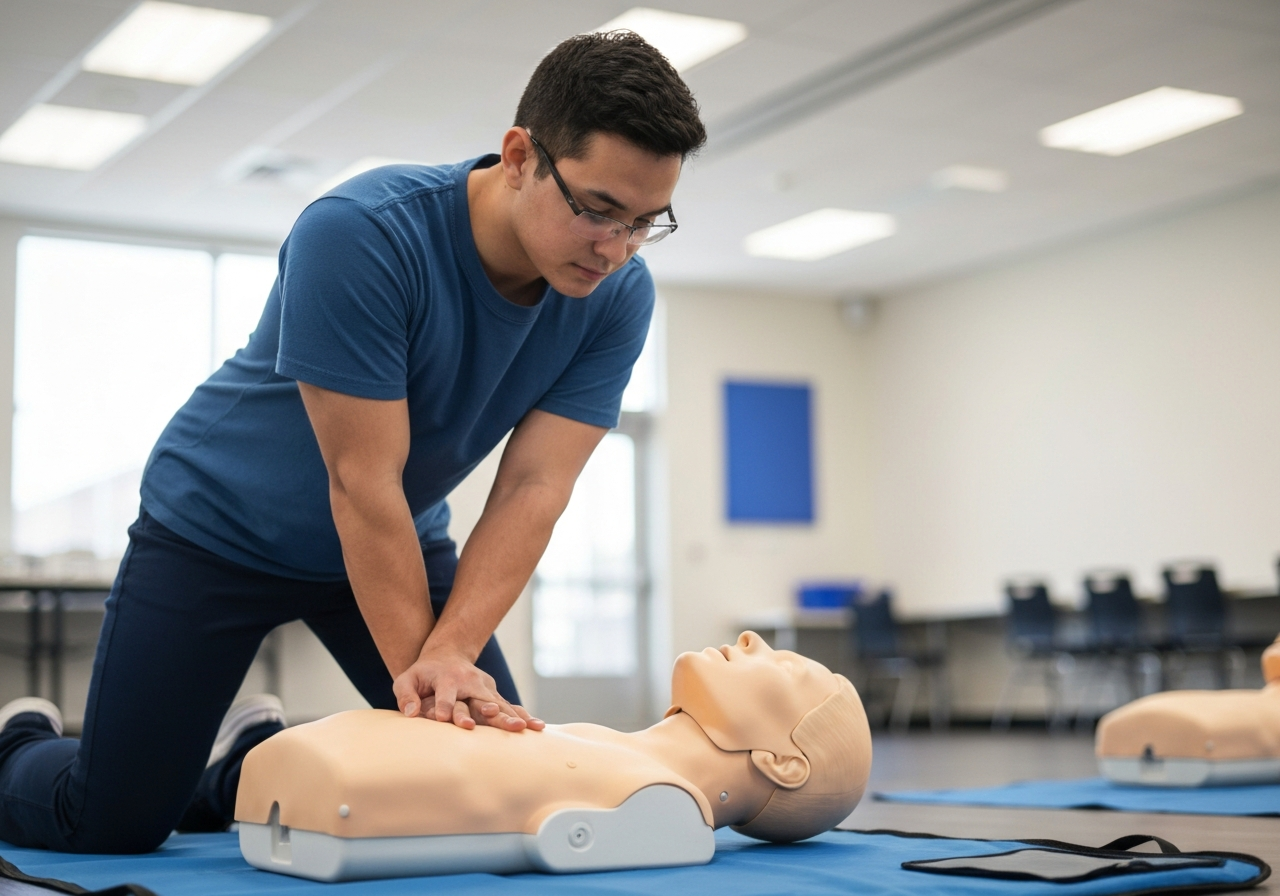
- Early CPR with an emphasis on chest compressions.
- Rapid defibrillation.
- Effective advanced life support.
- Integrated post-cardiac arrest care.
Bystanders are essential for the first three links. An AED works by analyzing the heart’s rhythm and, if necessary, delivering an electrical shock to reset the heart. The device provides clear, step-by-step voice prompts and visual cues, making it accessible even for individuals with no prior medical training. It will only deliver a shock if it detects a “shockable” rhythm, ensuring safety and preventing harm to a person whose heart is beating normally. This simplicity means that anyone can potentially use an AED and help save a life.
Empowering Workplaces and Communities with AED Readiness
Creating a culture of preparedness is paramount for businesses and communities. Implementing a comprehensive Public Access Defibrillation (PAD) program, which includes readily accessible AEDs and trained personnel, provides a robust safety net. For businesses, this commitment extends beyond compliance with OSHA guidelines; it fosters a secure environment, enhances employee confidence, and mitigates liability. The Centers for Disease Control and Prevention (CDC) outlines key interventions for comprehensive PAD programs, including targeted AED site placement, training for anticipated responders, and coordination with emergency medical services.
Benefits for Businesses and Organizations
- Increased Survival Rates: Having AEDs on-site and trained employees means immediate intervention, significantly increasing the chances of survival for someone experiencing SCA.
- Enhanced Safety Culture: Prioritizing emergency preparedness demonstrates a commitment to employee well-being, fostering a positive and proactive safety culture. As creating a culture of preparedness in your organization is vital, integrating AEDs and training is a key step.
- Regulatory Compliance: Many states have laws regarding AED placement and training in various settings, and maintaining a robust program helps ensure compliance.
- Employee Confidence: Employees who are trained and know how to use an AED feel more confident and empowered to act in an emergency, both at work and in their personal lives.
The true value of an AED program lies not just in the presence of the device, but in the preparedness of those around it.
Comprehensive AED Training: Get Certified with CPR Works Charlotte
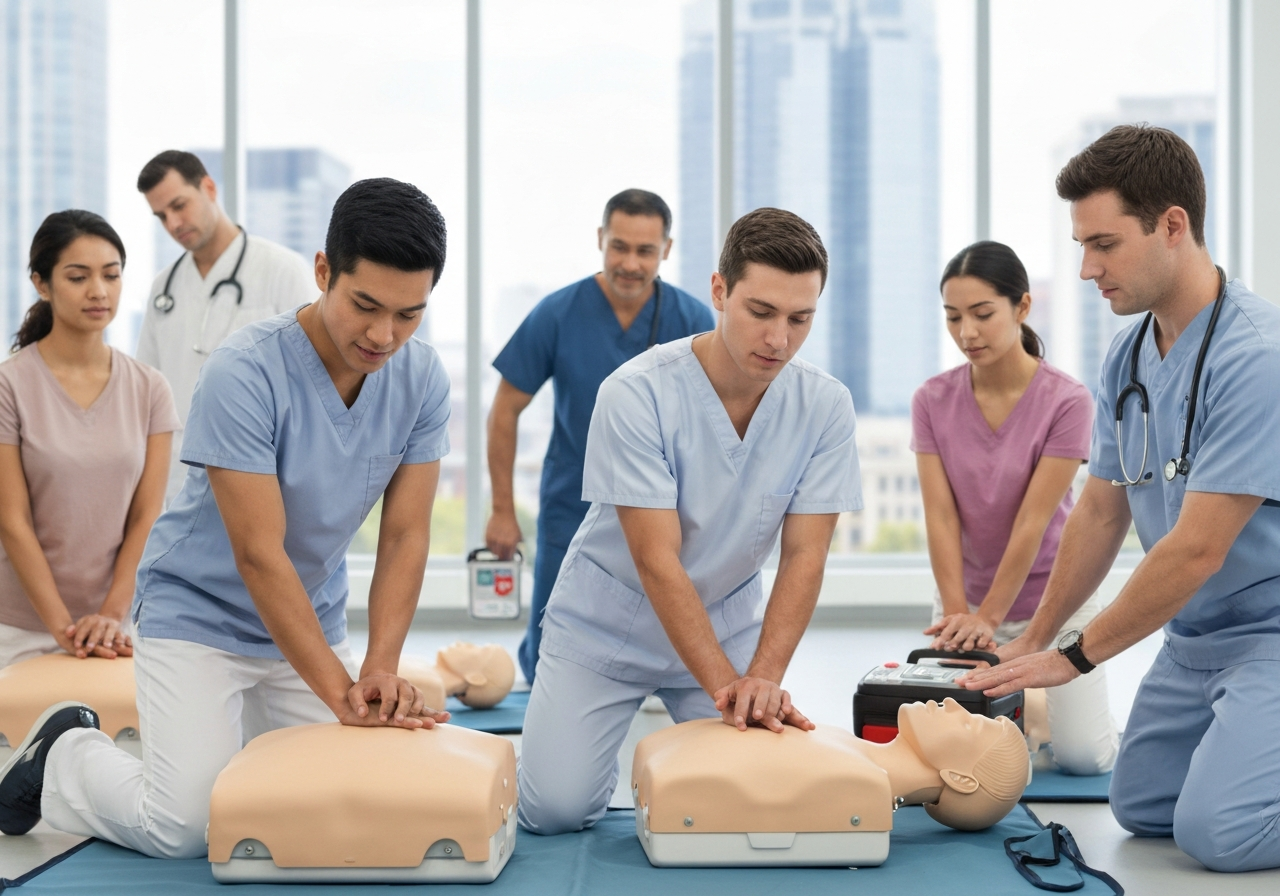
Effective AED programs rely heavily on proper training. CPR Works Charlotte is dedicated to equipping individuals, businesses, and healthcare professionals with the knowledge and confidence to use AEDs effectively alongside CPR. Our American Heart Association (AHA) certified courses ensure participants learn the latest, evidence-based techniques for emergency response.
Training Options to Fit Your Needs
CPR Works Charlotte offers flexible training solutions designed to accommodate diverse schedules and learning preferences:
- On-Site Training: We bring our expert instructors to your business or organization, providing customized training tailored to your specific environment and team needs. This is ideal for ensuring that your entire staff is prepared for workplace emergencies.
- Blended Learning: Our blended learning options combine convenient online modules with hands-on skills practice sessions, allowing individuals to learn at their own pace before demonstrating proficiency with an instructor.
- Individual & Group Courses: Whether you prefer one-on-one instruction or a collaborative group setting, we have options to suit everyone.
Our comprehensive curriculum covers everything from basic CPR techniques to advanced AED operation, ensuring that every participant gains the practical skills and theoretical understanding needed to act decisively. Many of our local training centers, including Gastonia CPR Training and Fort Mill CPR Training, are ready to serve the Charlotte metropolitan area.
Selecting the Right AED and Training Program for Your Needs
Choosing an AED involves considering factors like the device’s features, maintenance requirements, and the specific environment where it will be deployed. CPR Works Charlotte provides guidance on selecting the optimal AED for your needs, offering a range of models suitable for various settings. For example, our AED product offerings include devices with features like real-time CPR feedback and long battery/pad lifespans. Beyond the device itself, the training program you choose is equally critical.
Key Considerations for AED Selection and Training:
- Ease of Use: Modern AEDs are designed for simplicity, often with clear voice prompts. However, hands-on training builds confidence and reduces hesitation.
- Maintenance and Support: Understand the lifespan of batteries and electrode pads, and consider an AED management program to ensure devices are always rescue-ready.
- Curriculum: Ensure the training adheres to current American Heart Association (AHA) guidelines and covers both CPR and AED operation for adults, children, and infants. Refer to our detailed course descriptions to find the best fit.
- Accessibility: Training should be accessible and flexible, whether through on-site sessions for businesses or blended learning for individuals.
Partnering with a trusted provider like CPR Works Charlotte ensures you receive not only high-quality equipment but also the critical education to make a difference.
Beyond the Device: Fostering a Culture of Safety and Preparedness
The presence of an AED is only one component of a truly prepared community or workplace. To maximize the life-saving potential, a culture where individuals are not only trained but also willing and confident to act is essential. This proactive approach involves regular training, awareness campaigns, and community outreach. As noted by Quest Inc., “Studies show that most often you will use CPR on someone you know, so everyone should make an effort to receive and renew training.”
Building a Prepared Community:
- Public Awareness: Educating the public about the importance of AEDs and their locations can significantly increase their use in emergencies.
- Regular Drills and Refreshers: Consistent practice of CPR and AED use ensures skills remain sharp and individuals feel prepared to respond.
- Community Partnerships: Collaboration between local businesses, schools, healthcare providers, and emergency services strengthens the overall emergency response system.
By investing in both AED technology and human readiness, we can significantly improve survival rates from sudden cardiac arrest.
Take Action: Partner with CPR Works Charlotte for Life-Saving Solutions
Equipping yourself, your family, or your team with life-saving CPR and AED skills is an invaluable investment in safety. CPR Works Charlotte is your premier partner in fostering a prepared and resilient community. We offer comprehensive, AHA-certified training programs tailored to individuals and organizations across Charlotte, Gastonia, Fort Mill, and surrounding areas. Our commitment to excellence, transparent practices, and flexible learning options make us the trusted choice for emergency preparedness education. Empower yourself and those around you by learning skills that genuinely save lives. Visit our website to explore our range of courses and discover how you can become a vital link in the Chain of Survival.
Ready to enhance your emergency preparedness? Contact us today to learn more about our life-saving training programs.